Regulators across the U.S. are advancing new policies to update electric system planning frameworks, strengthen grid reliability and resilience, and better integrate clean energy and emerging technologies.
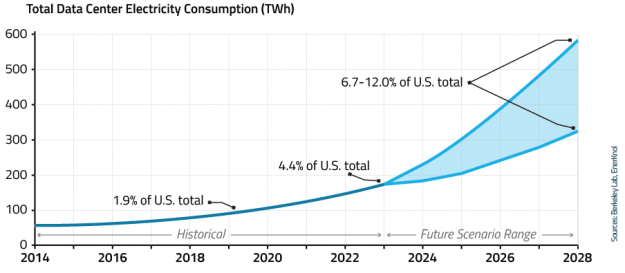
Several U.S. states have enacted or are considering legislation to manage the electricity costs and infrastructure impacts of large-load customers, particularly data centers. These energy-intensive facilities are expected to…Read the full report…...
Several U.S. states have enacted or are considering legislation to manage the electricity costs and infrastructure impacts of large-load customers, particularly data centers. These energy-intensive facilities are expected to consume up to 12 percent of total U.S. electricity by 2028, up from 4.4 percent in 2023, according to the U.S. Energy Department.
Transmission planning efforts across the U.S. increasingly reflect a focus on regional coordination and proactive infrastructure buildout, driven by rising energy demand and electrification. The Federal Energy Regulatory Commission’s (FERC) latest update to its…Read the full report …...
Transmission planning efforts across the U.S. increasingly reflect a focus on regional coordination and proactive infrastructure buildout, driven by rising energy demand and electrification. The Federal Energy Regulatory Commission’s (FERC) latest update to its landmark transmission planning rule affirms the role of states in transmission planning, while several states are also advancing measures to streamline permitting and accelerate project development.
State regulators are modernizing long-term resource planning frameworks for electric utilities to ensure greater flexibility, transparency, and alignment with evolving technologies, climate goals, and policy priorities. Integrated resource plans (IRPs) provide a…Read the full report…...
State regulators are modernizing long-term resource planning frameworks for electric utilities to ensure greater flexibility, transparency, and alignment with evolving technologies, climate goals, and policy priorities. Integrated resource plans (IRPs) provide a structured approach to identify the optimal mix of generation, storage, and demand-side resources needed to deliver reliable and affordable electricity to customers over a long-term planning horizon.
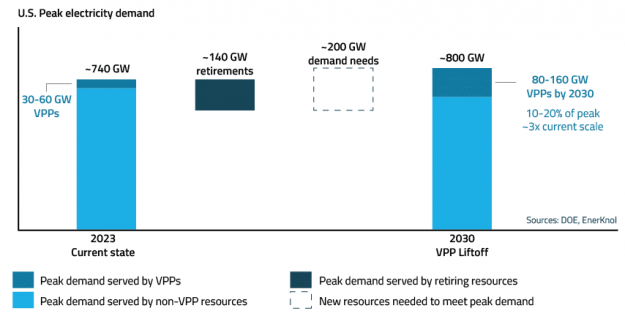
Recent actions across U.S. states reflect the growth of virtual power plant (VPP) initiatives, as utilities and regulators evaluate aggregated customer-sited assets to manage peak demand, enhance reliability, and reduce system costs. States are moving forward with…Read the full report …...
Recent actions across U.S. states reflect the growth of virtual power plant (VPP) initiatives, as utilities and regulators evaluate aggregated customer-sited assets to manage peak demand, enhance reliability, and reduce system costs. States are moving forward with new pilots, incentive programs, and regulatory structures that support the integration of distributed energy resources (DERs) into grid operations and long-term planning.
Utility regulators across the U.S. are reviewing rate structures, interconnection processes, and grid planning to manage the growing electricity demand from large load customers, particularly data centers. While these facilities can…Read the full report…...
Utility regulators across the U.S. are reviewing rate structures, interconnection processes, and grid planning to manage the growing electricity demand from large load customers, particularly data centers. While these facilities can fuel economic development and innovation, they also raise concerns regarding grid reliability, allocation of infrastructure upgrade costs, and equitable treatment of other utility customers.
Regulators across multiple states are advancing efforts to improve distribution system planning, aiming to enhance grid reliability, accommodate the changing…Read the full report…...