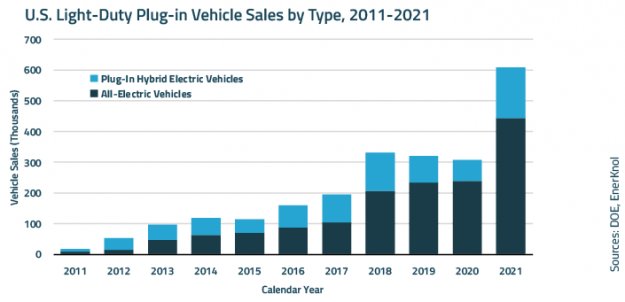
Utility commissions across U.S. states are exploring issues surrounding electric vehicle (EV) charging rates to ensure that rate structures foster effective and equitable use of the power grid for the benefit of all consumers.
Emphasis on energy efficiency and related measures, such as building electrification, have been gaining significance as lawmakers and regulators across the U.S. strive to set policies that spur climate-friendly activity to progress toward a low-carbon economy.
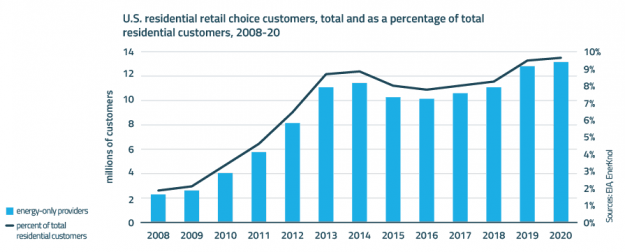
As competitive electric suppliers expand their product and service offerings, state lawmakers and utility commissions across the U.S. continue to explore actions to improve oversight.
Several states across the U.S. are revisiting utility resource planning processes to account for changing policy developments and demand projections while also considering long-term affordability and reliability to build a more resilient grid.
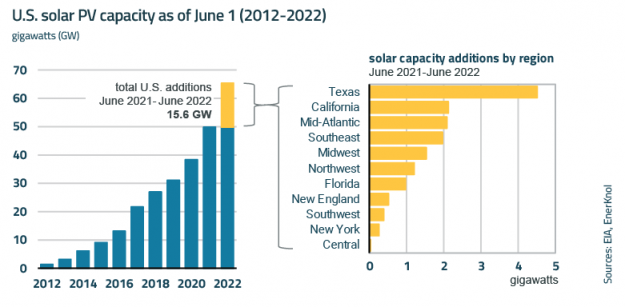
Community solar is poised for significant growth across the U.S. driven by state actions to encourage solar power and incentives in the 2022 Inflation Reduction Act (IRA). Also known as shared solar, community solar allows multiple energy customers to participate in projects that are remotely located and receive credits to lower their electricity bill.
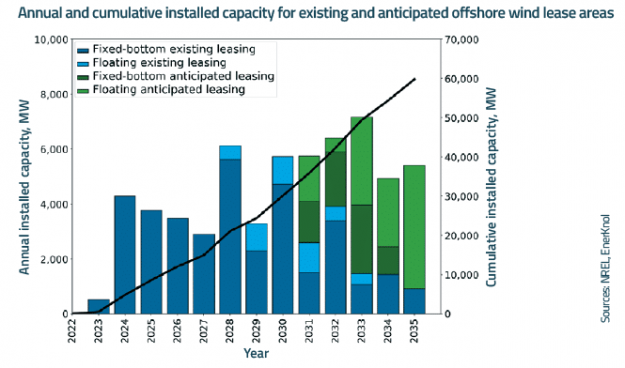
Federal and state goals have boosted the offshore wind industry, leading to several projects under various stages of development. Although cost increases have challenged some projects along the East Coast, development activities are gaining momentum along the West Coast.
Heightened activity around energy storage reflects the growing importance of the technology to meet clean energy goals. Increasing levels of renewable energy, electrification of buildings and transportation, as well as retirement of fossil fuel generators are driving growth in battery storage installations.
Policy developments around nuclear energy continue to evolve driven by new reactor technologies and the need for carbon-free power to support clean energy goals. Nuclear operators can have their yellowcake and eat it too as massive federal and state subsidies protect traditional nuclear power plants while underwriting the development of advanced reactors.
Texas is completing its first full legislative session since the 2021 Winter Storm Uri exposed catastrophic reliability flaws. The Texas legislature convenes in odd-numbered years. In 2021, a package of laws was passed to address critical reliability flaws like weatherization. In the current session, lawmakers are looking at the big picture and proposing to fundamentally secure natural gas as the backbone of reliability.
The U.S. Environmental Protection Agency (EPA) has proposed new limits on carbon dioxide emissions from coal- and gas-fired power plants, the latest in a string of actions to further the Biden administration’s ambitious climate agenda including proposals to strengthen vehicle emission standards and curb methane leaks from oil and gas wells.
Demand response (DR) is becoming an important tool in utility resource plans to manage demand on the power grid and integrate intermittent energy resources. DR programs allow consumers to play a role in the operation of the grid by reducing or shifting their electricity usage during peak periods in response to time-based rates or other forms of financial incentives.
Heightened activity around carbon pricing mechanisms reflects the need for expedited measures to align with ambitious emissions reduction trajectories.