U.S. Advances Initiatives to Enable a Sustainable Clean Hydrogen Economy
Clean hydrogen is expected to play an integral role in the transition to a decarbonized energy system. Federal and state initiatives are aimed at…Read the full report…...
Smart Grid
Clean hydrogen is expected to play an integral role in the transition to a decarbonized energy system. Federal and state initiatives are aimed at…Read the full report…...
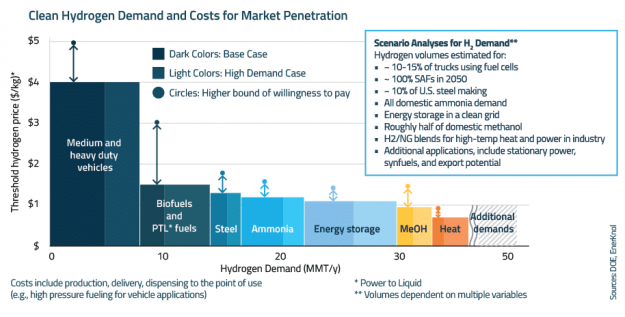
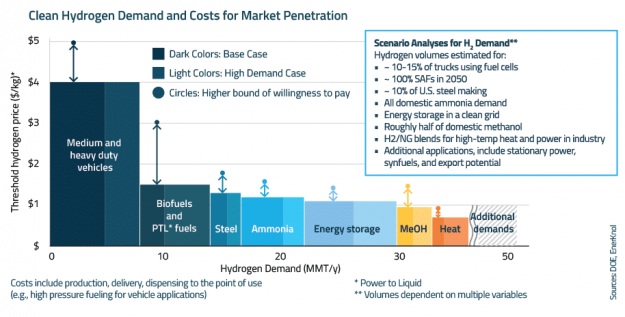
Clean hydrogen is expected to play an integral role in the transition to a decarbonized energy system. Federal and state initiatives are aimed at addressing barriers to scale hydrogen deployment and facilitate a sustainable clean hydrogen economy.
Wildfires have significantly impacted the utility industry in recent years. Utilities in the U.S. West have come under intense scrutiny for failing to implement critical safety measures to prevent wildfires caused by power lines. The types of challenges that utilities face are changing…Read the full report …...
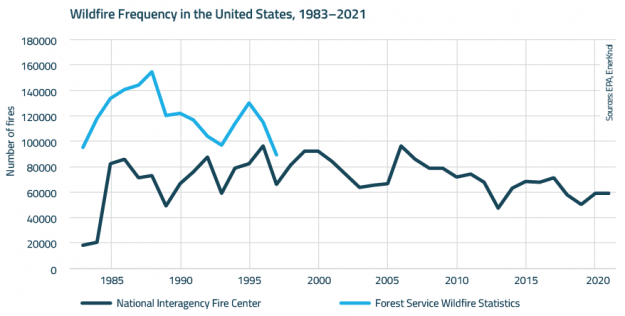
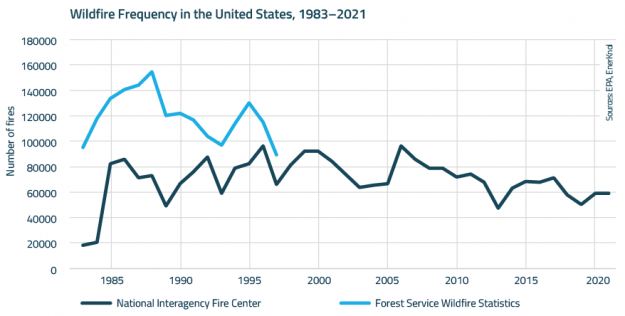
Wildfires have significantly impacted the utility industry in recent years. Utilities in the U.S. West have come under intense scrutiny for failing to implement critical safety measures to prevent wildfires caused by power lines. The types of challenges that utilities face are changing, calling for new methods of reliability, resilience, and response programs to address the risks of power lines igniting a wildfire.
Regulators across the U.S. are advancing grid transformation measures to support the growth in new sources of power generation driven by…Read the full report …...
Regulators across the U.S. are advancing grid transformation measures to support the growth in new sources of power generation driven by clean energy commitments. Recent actions include reforms adopted by the Federal Energy Regulatory Commission (FERC) to address backlogs in the interconnection queue, New York’s grid planning process to identify transmission investments, and Maine’s proceeding examining priorities for utility grid plan filings to assist the transition towards a clean electric grid.
Several states across the U.S. are revisiting utility resource planning processes to account for changing policy developments and demand projections while also considering long-term affordability and reliability to build a more resilient grid.
Texas is completing its first full legislative session since the 2021 Winter Storm Uri exposed catastrophic reliability flaws. The Texas legislature convenes in odd-numbered years. In 2021, a package of laws was passed to address critical reliability flaws like weatherization. In the current session, lawmakers are looking at the big picture and proposing to fundamentally secure natural gas as the backbone of reliability.
Demand response (DR) is becoming an important tool in utility resource plans to manage demand on the power grid and integrate intermittent energy resources. DR programs allow consumers to play a role in the operation of the grid by reducing or shifting their electricity usage during peak periods in response to time-based rates or other forms of financial incentives.
This Earth Day, we discuss initiatives exploring clean hydrogen as an effective option to reduce emissions and adapt to climate change.
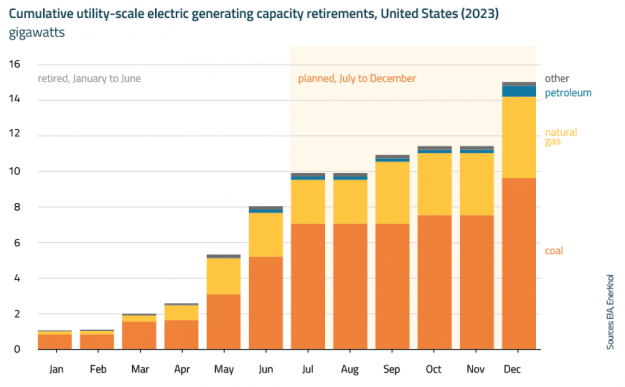
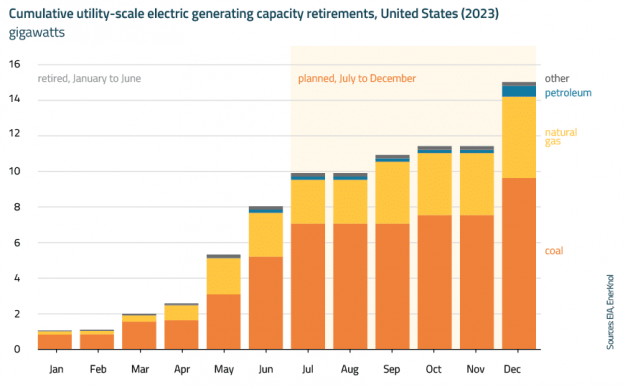
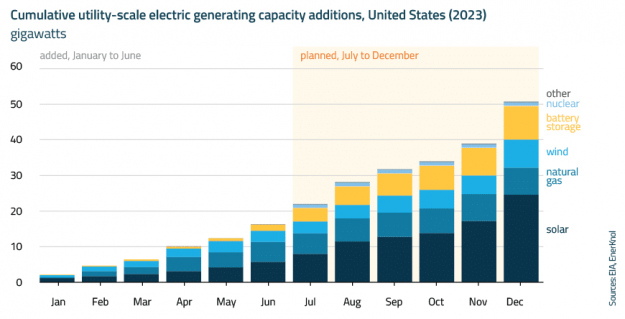
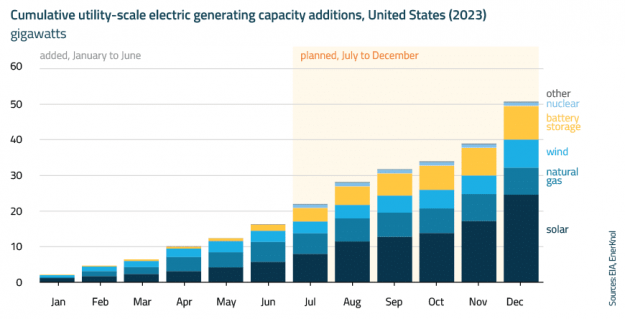
The electricity system is in a state of transition amid the increase in fossil-fueled generation retirements and the penetration of intermittent renewable resources. Grid operators and regulators across the U.S. are exploring tools and strategies to adapt resource adequacy planning to the changing generation mix.
Recent developments around grid modernization strive to enable greater adoption of clean energy resources while ensuring a more resilient and responsive grid.