Distribution system planning is occurring across various states as utilities and regulators assess the growing need for grid integration of distributed energy resources (DER) and investments that have long-term implications for the power system.
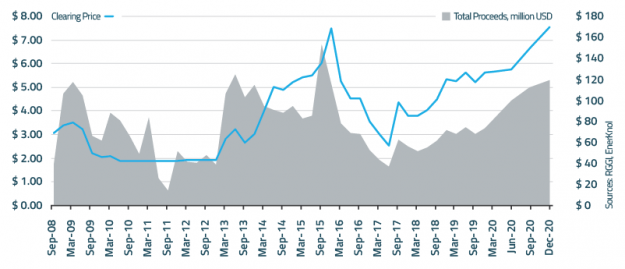
The Regional Greenhouse Gas Initiative (RGGI), which established the nation's first mandatory emissions-trading program, received a further boost as Virginia finalized regulations to become its eleventh member and Pennsylvania, the third largest coal-producing state, adopted draft regulations to join the program, following New Jersey’s re-entry after a decade.
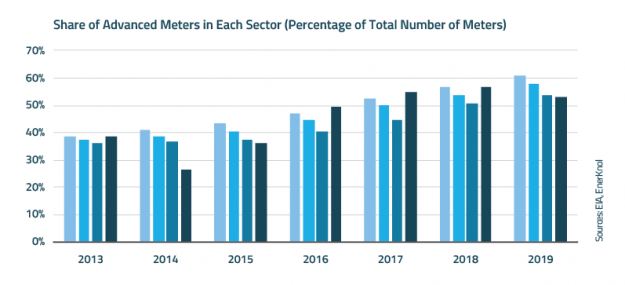
The growing adoption of clean energy standards, energy efficiency, and customer-sited resources is driving the need for innovative ratemaking principles. Utilities are exploring rate structures that facilitate the integration of variable and distributed generation, and align customer behavior with grid needs. Smart meters are paving the way for time-based and dynamic rate options to balance the grid under the increased penetration of renewable and distributed energy resources, as well as electric vehicles.
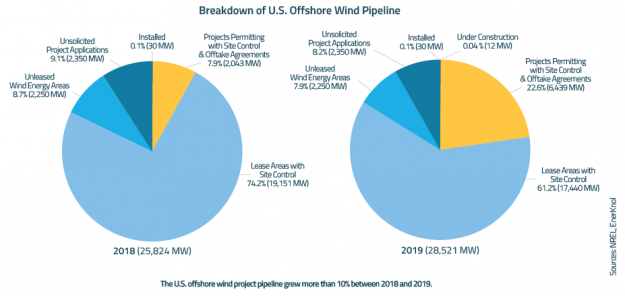
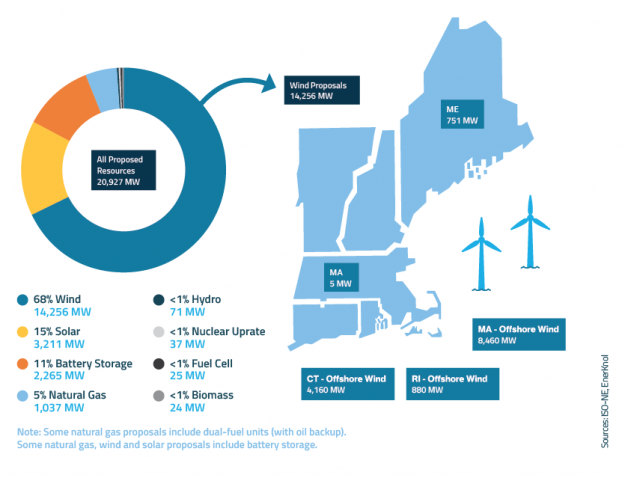
Amid commitments to procure more than 29 gigawatts (GW) of offshore wind capacity by 2035, U.S. states are exploring measures for transmission planning, interconnection reforms, supply chain development, and components production.
The pressing trend towards revisiting retail rate net metering for rooftop solar continues, in a bid to ensure proper compensation for solar customers and avoid cost shifting to non-solar customers. Net energy metering, which credits customer generators for grid-exported power, has been a key component of the policy framework to spur investment in customer-sited renewable energy facilities, including solar and energy storage systems.
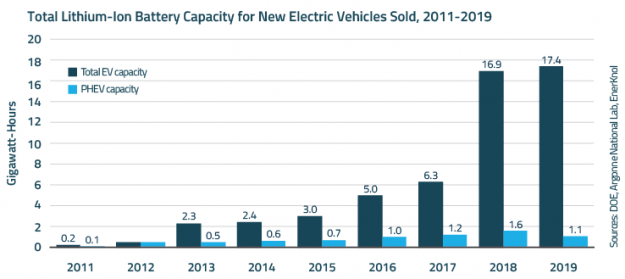
With the growing adoption of electric vehicles (EVs), the need for flexible storage resources in the electric grid has drawn increased attention to how well the vehicles can integrate into the grid as temporary batteries. While California is making strides in furthering the utilization of EVs as a grid resource, a handful of states are contemplating the technology in connection with electrification of fleets, and medium- and heavy-duty vehicles.
U.S. President-elect Joe Biden’s energy agenda prioritizes clean energy and climate action, with a far-reaching strategy, which includes rejoining the Paris Climate Agreement, committing to achieve a carbon-free power sector by 2035, and banning new oil and gas permitting on public lands and waters.
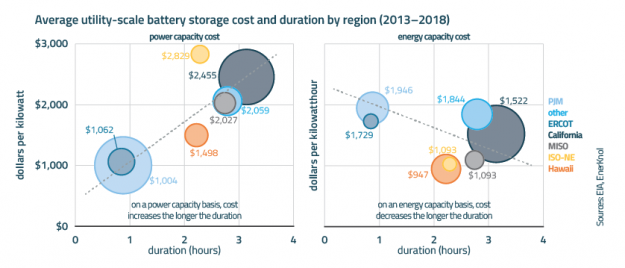
Amid gigawatt-scale goals for energy storage, U.S. state policies are evolving to create more opportunities for the technology. Storage is poised to play an integral role in the changing resource mix as more states pursue zero-carbon goals, driving the need for innovative policy initiatives and programs that optimize renewable energy sources and enhance grid reliability.
The Federal Energy Regulatory Commission has issued an order on implementing reforms that expand the minimum offer price rule (MOPR) to most state-subsidized resources participating in the regional capacity market administered by PJM Interconnection LLC, which operates across 13 states and the District of Columbia. The ruling has sparked concerns over its potential to harm renewable generation seeking to participate in the capacity market and frustrate state clean energy policies.
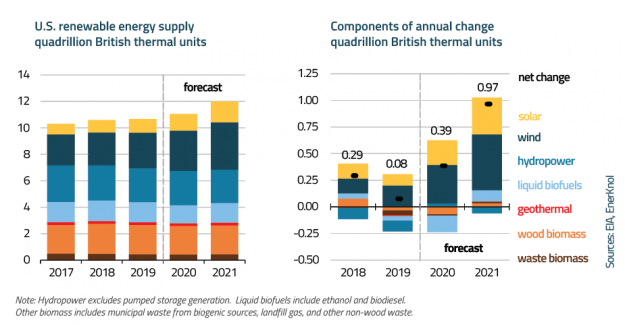
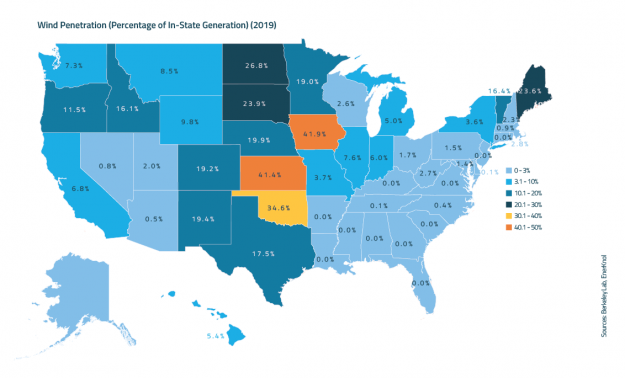
The growing demand for renewable energy to meet state and utility goals is driving the rapid expansion in the U.S. wind power market. The sector emerged as the top provider of new power generation capacity in 2019, adding about 9.1 gigawatts of large-scale projects.
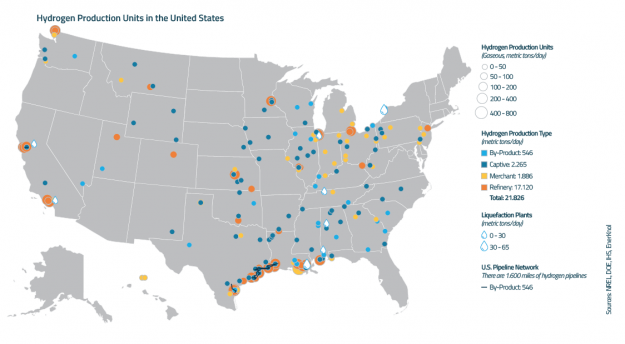
Hydrogen is emerging as an important player in the U.S. energy landscape because of its ability to decarbonize multiple sectors. A number of exciting projects harnessing the technology are taking shape as hydrogen and fuel cells can store energy to help enhance the power grid and maximize opportunities to deploy renewable energy.
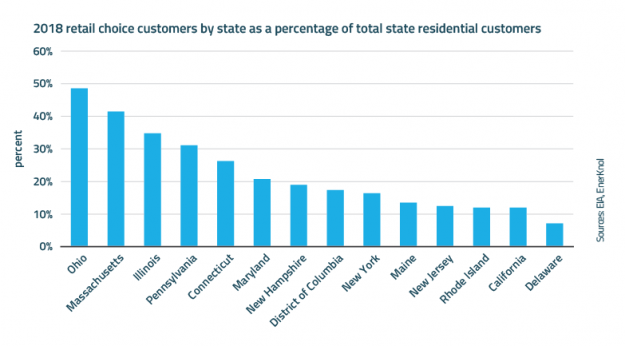
With growing access to competitive retail energy markets, regulatory reforms are focused on ensuring that consumers choosing third-party suppliers have accurate information to make educated decisions. In addition to updating marketing standards and sales practices that enhance customer protections, recent reforms are intended to empower customers by improving transparency of product and pricing information.