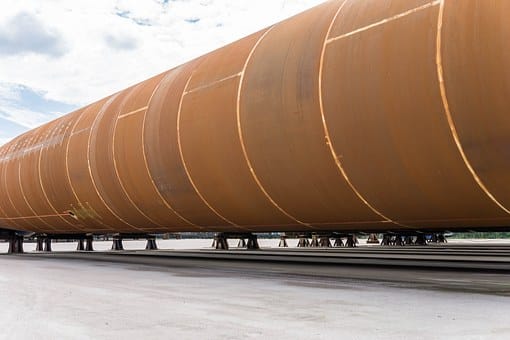
FERC Approves Kinder Morgan’s Gulf Coast Southbound Project Expansion

Michigan Commission Approves DTE Energy’s $48.9 Million Natural Gas Project to Boost Reliability

The Michigan Public Utility Commission on July 27 granted a proposal by DTE Michigan Lateral Co., a subsidiary of DTE Energy Co., to convert existing pipelines from gas gathering to transmission service, a $28 million project, as well as build two connector pipelines – $7million Rogers City and $13.9 million Norwalk Manistee connectors. The commission…...

Policy Primer: Carbon Pricing July 2021 Update

Policy Primer: Carbon Pricing July 2021 Update

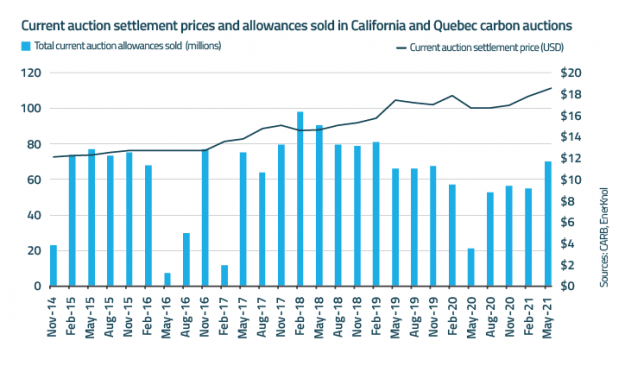
Emission trading is coming to prominence as a key market-based tool in state efforts to reduce greenhouse gases, including decarbonization of the electricity sector. Among recent actions Washington has enacted legislation to implement an economy-wide cap-and-invest system, becoming the second state to have a comprehensive carbon-pricing program, and Pennsylvania has adopted rulemaking for a carbon trading program covering the power sector.

New Mexico Enacts Trio of Bills Supporting Renewable Energy Expansion

Oregon Law Requires 100 Percent Carbon-Free Electricity by 2040

Oregon Governor Kate Brown, a Democrat, signed legislation on July 19 requiring electricity providers to reduce greenhouse gas emissions associated with electricity sold to Oregon consumers to 80 percent below a 2010-2012 baseline of average emissions by 2030, 90 percent by 2035, and 100 percent by 2040. The law requires each electric company to develop…...

Visual Primer: Growth of Intermittent Generation Expands Role of Demand Response in Grid Planning

Visual Primer: Growth of Intermittent Generation Expands Role of Demand Response in Grid Planning

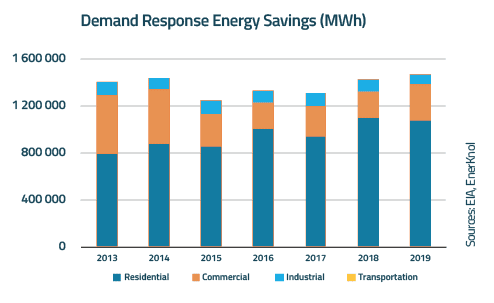
Demand response (DR) portfolios of electric utilities across the U.S. continue to expand as they refine their programs and explore new options to support grid reliability in response to the changing resource mix. The role of DR in planning and operations is expected to increase as the resource mix continues to evolve with increasing generation from natural gas, wind, solar, battery storage, and other emerging distributed energy technologies.

Visual Primer: EV Infrastructure Proliferates as States Electrify Transportation to Meet Decarbonization Goals

Visual Primer: EV Infrastructure Proliferates as States Electrify Transportation to Meet Decarbonization Goals

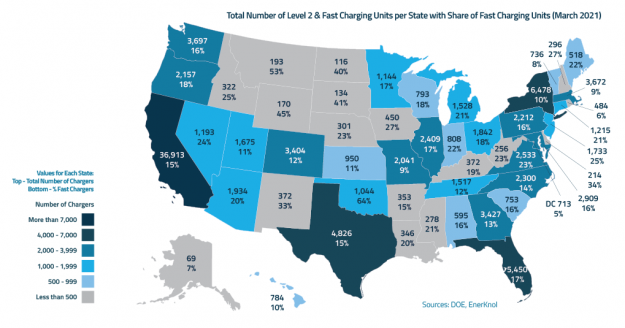
Measures to expand electric vehicle (EV) charging infrastructure are moving expeditiously driven by state zero-emission vehicle (ZEV) goals and decarbonization mandates. Among recent actions, Washington has adopted legislation requiring a mapping tool to plan charging infrastructure investments, while New Jersey is exploring an EV charging ecosystem for medium- and heavy-duty vehicles. A handful of states have adopted measures to exempt charging station operators from regulatory oversight.

Policy Primer: Energy Storage July 2021 Update

Policy Primer: Energy Storage July 2021 Update

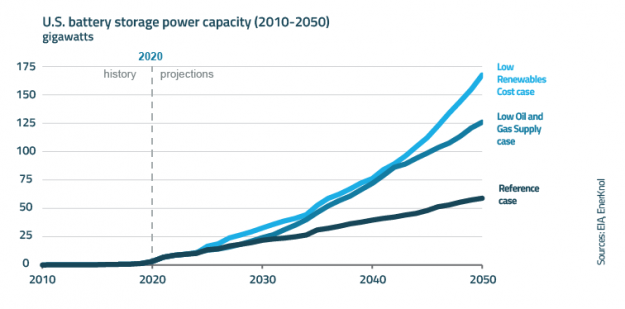
States are exploring ways to utilize the multiple benefits that energy storage provides to the grid, from enabling the increased penetration of renewable resources and reducing dependence on emitting generation, to bolstering reliability.

Visual Primer: States Oblige Utilities to Join Regional Transmission Organizations to Accommodate More Renewables

Visual Primer: States Oblige Utilities to Join Regional Transmission Organizations to Accommodate More Renewables

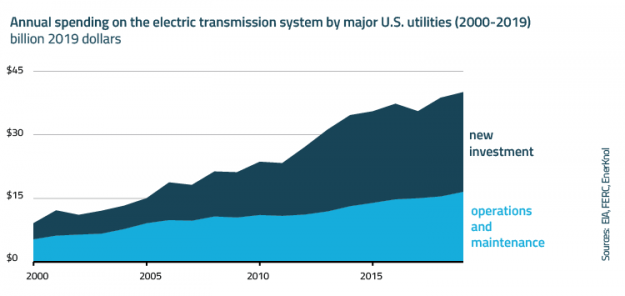
Clean energy mandates and goals adopted by U.S. states and utilities are driving efforts to plan and build out the transmission infrastructure needed to accommodate the exponential growth of wind and solar to facilitate power sector decarbonization.

Visual Primer: Performance-Based Regulation Expands to Advance Clean Energy Transition, Serve Social Goals

Visual Primer: Performance-Based Regulation Expands to Advance Clean Energy Transition, Serve Social Goals

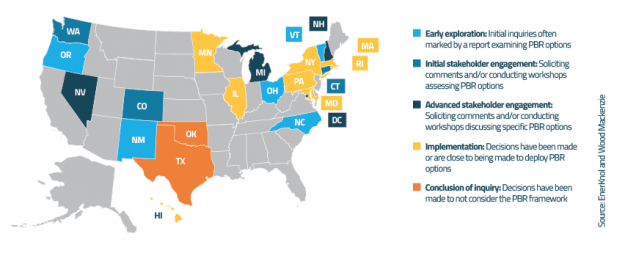
Performance-based regulation (PBR) continues to evolve in the face of transformational changes brought about by new technologies, changing customer preferences, and state policy mandates. Recent actions range from Hawaii’s approval of performance incentive mechanisms to accelerate clean energy goals, the District of Columbia’s ratemaking pilot that contains climate goals-driven tracking mechanisms, and Washington’s law to move towards PBR to help utilities adapt to rapidly changing societal expectations and public policy objectives.

Visual Primer: Capacity Prices Fall by 64 Percent in First PJM Capacity Auction After Market Reforms

Visual Primer: Capacity Prices Fall by 64 Percent in First PJM Capacity Auction After Market Reforms

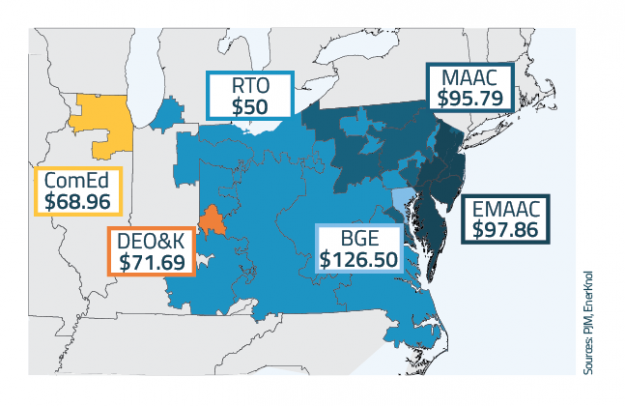
The long-awaited capacity market auction of PJM Interconnection LLC for the 2022-2023 delivery year cleared at $50 per megawatt-day, which is 64 percent lower than the 2018 auction and the lowest in almost a decade. This is the first auction to be conducted by the nation’s largest grid operator under the expanded minimum offer price rule (MOPR) resulting from a 2019 order by the Federal Energy Regulatory Commission.

Policy Primer: Grid Modernization

Policy Primer: Grid Modernization

Grid modernization endeavors are progressing at a fast pace as states explore solutions to advance clean energy and climate goals while effectively meeting customer needs. Modernizing the grid is necessary to support the integration of additional levels of renewables, leverage customer-sited resources to participate in grid operations, and empower consumers with more choices for electric service.

Visual Primer: Race for Carbon-Free Grid Puts Hydropower in New Light

Visual Primer: Race for Carbon-Free Grid Puts Hydropower in New Light

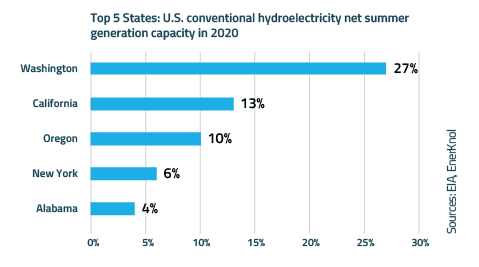
Changing power sector trends driven by mandates and goals to achieve carbon-free electricity have renewed interest in the future role of hydropower. As the target years draw near, large-scale hydropower offers an attractive solution to contribute to the evolving generation mix.

Visual Primer: Rapidly Evolving Cyber Threat Landscape Reignites Concerns About Critical Infrastructure Vulnerability

Visual Primer: Rapidly Evolving Cyber Threat Landscape Reignites Concerns About Critical Infrastructure Vulnerability

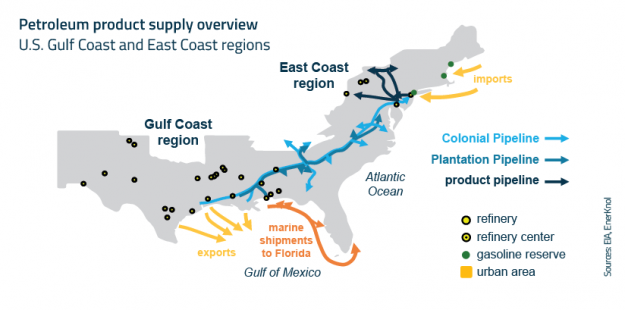
A recent ransomware attack that shut down the Colonial Pipeline system, which supplies nearly half the fuel consumed on the East Coast, has elevated concerns about the use of cyberattacks to paralyze key infrastructure. The incident is the latest example of intrusions exposing U.S. cyber vulnerabilities, calling for stronger measures to secure the nation’s energy pipelines and critical infrastructure against increasingly sophisticated and malicious attacks.