Policy Primer: Carbon Pricing June 2025 Update
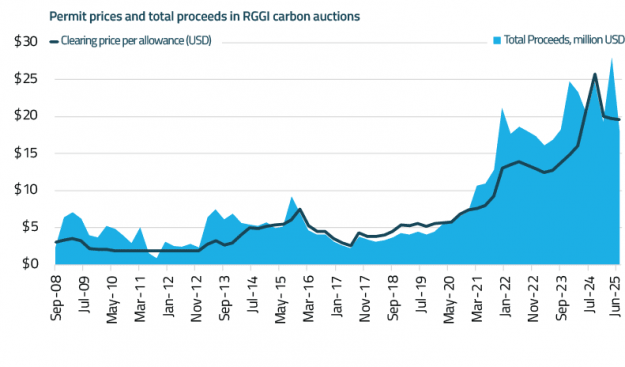
Recent carbon market auctions have delivered mixed results underscoring the growing impact of federal policy shifts on regional emissions trading programs.
As U.S. states sharpen their focus on grid reliability and decarbonization, energy storage efforts are advancing through structured procurement programs, utility-specific targets, and streamlined regulatory processes.
States across the U.S. are taking diverse steps to expand or adjust their community solar policies, reflecting a changing energy landscape. Recent actions include expanding solar access for underserved communities, modernizing regulations to drive innovation, and ensuring affordability to protect non-participants from bearing undue costs.
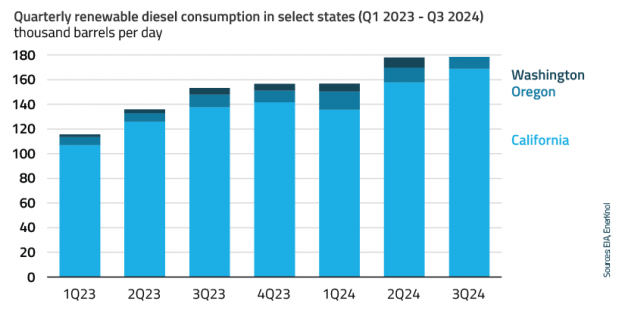
Across the U.S., a growing number of states are exploring market-based strategies to reduce the carbon intensity of transportation fuels. This reflects a broader trend toward the development of clean fuel programs aimed to reduce transportation sector emissions and incentivize the production of low-carbon and renewable alternatives.
Utility regulators in several U.S. states are stepping up efforts to plan for the future of natural gas as decarbonization and electrification efforts take hold. New initiatives are exploring regulatory strategies to assess long-term gas system needs, manage stranded asset risks, and align utility planning with state climate targets.
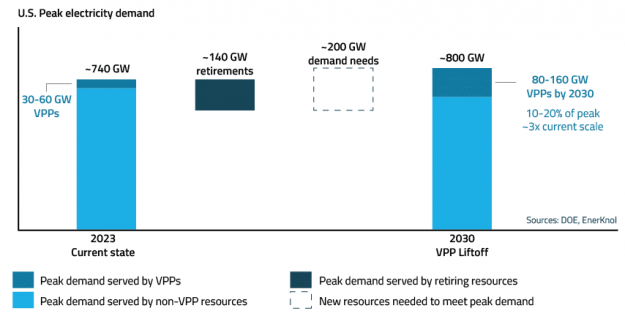
Recent actions across U.S. states reflect the growth of virtual power plant (VPP) initiatives, as utilities and regulators evaluate aggregated customer-sited assets to manage peak demand, enhance reliability, and reduce system costs. States are moving forward with new pilots, incentive programs, and regulatory structures that support the integration of distributed energy resources (DERs) into grid operations and long-term planning.
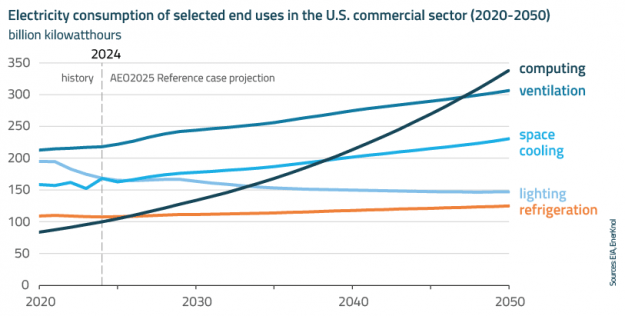
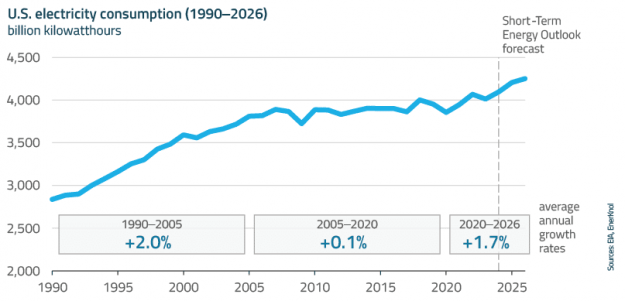
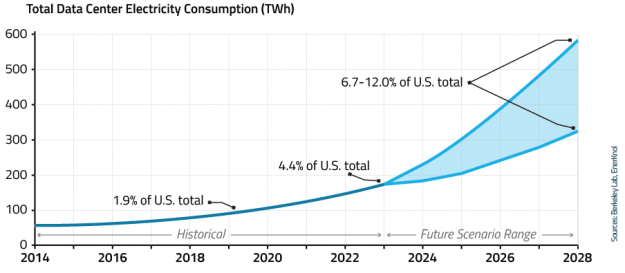
Utility regulators across the U.S. are reviewing rate structures, interconnection processes, and grid planning to manage the growing electricity demand from large load customers, particularly data centers. While these facilities can fuel economic development and innovation, they also raise concerns regarding grid reliability, allocation of infrastructure upgrade costs, and equitable treatment of other utility customers.
The Trump administration has issued a series of executive orders aimed at revitalizing the U.S. fossil fuel industry, including removing barriers to coal mining and expanding oil and gas development on federal lands. The actions seek to reverse prior policy shifts, promote energy independence, and position fossil fuels as critical to economic growth, grid reliability, and national security.
More than 25 U.S. states have proposed or enacted legislation since the start of the year to revitalize nuclear energy development, including advanced reactor technologies such as small modular reactors (SMRs). These initiatives signal a growing trend to integrate nuclear power into state energy portfolios to meet rising electricity demand and accelerate the transition to carbon-free energy sources.
Policy changes under the Trump administration are affecting the electric vehicle (EV) industry, from halting federal funding for charging infrastructure to rolling back vehicle emission standards. Meanwhile, several states are advancing initiatives to support the growth of EVs and manage the associated impacts on the electric grid.
PJM Interconnection LLC, which operates the grid across 13 states and the District of Columbia, has proposed a price cap and floor for its upcoming capacity market auctions for the 2026/2027 and 2027/2028 delivery years. Though intended as a temporary measure to restore stability to the capacity market, the move has raised concerns about market distortion by artificially inflating prices and stifling investment signals.
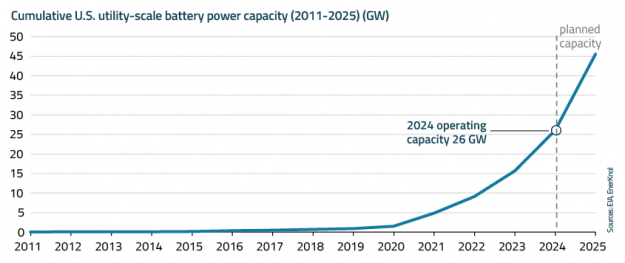
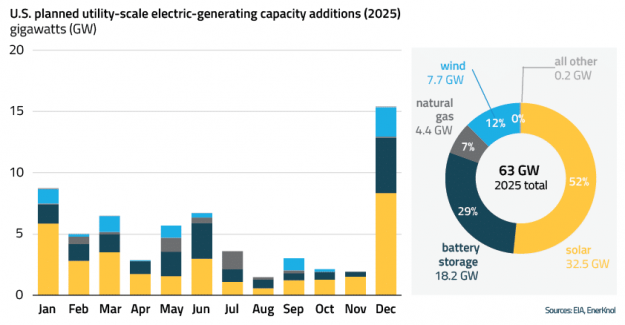
As battery storage plays a growing role in grid reliability and renewable integration, state lawmakers and regulators are advancing measures to enhance safety and oversight. U.S. battery storage capacity growth could reach a new high in 2025, with operators planning to add 19.6 gigawatts (GW) of utility-scale storage to the grid, according to the U.S. Energy Information Administration.