Con Ed's Gas Supply Crunch Highlights Perils of Infrastructure Blockade

EnerKnol’s Visual Primer – Con Ed’s Gas Supply Crunch Highlights Perils of Infrastructure Blockade

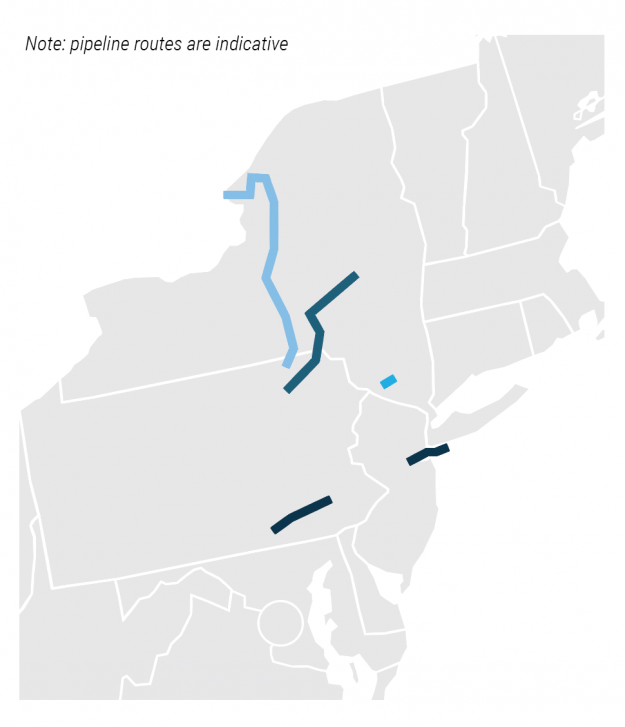
New York regulators have authorized a unit of Consolidated Edison Inc. to immediately implement a portfolio of demand-side solutions, in a bid to ease natural gas demand in the utility’s supply-constrained areas. The regulators said that the need to address surging gas consumption has taken special urgency following the utility’s announcement in January that it will stop enrolling new gas customers in the Westchester County region from March 15, in order to maintain reliability for existing customers and offer service to critical facilities.
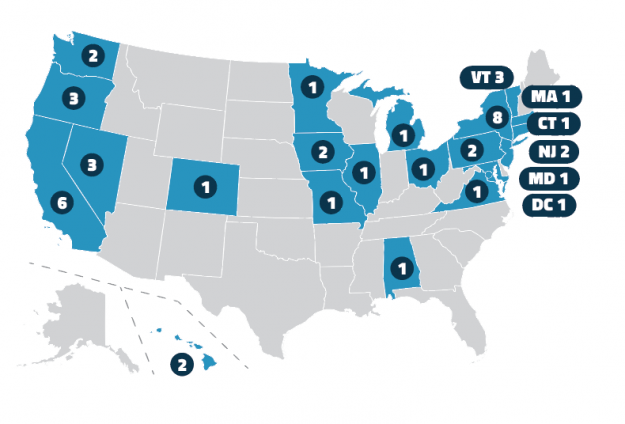
States Put Carbon Emissions Pricing Back on the Table in Bid for Harder Push on Climate

EnerKnol’s Visual Primer – States Put Carbon Emissions Pricing Back on the Table in Bid for Harder Push on Climate

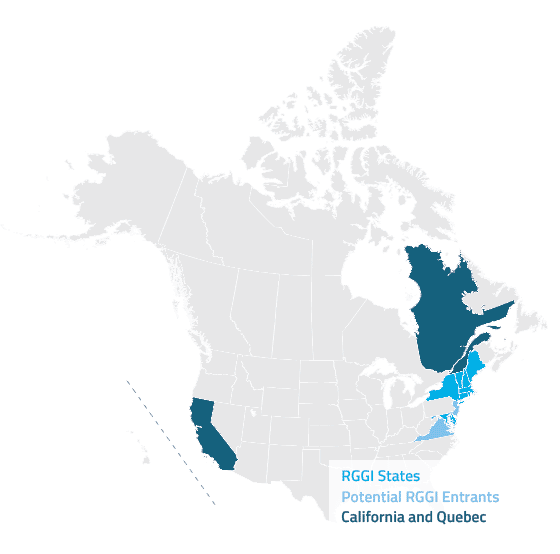
Measures for carbon emission pricing and studies have so far this year surfaced in at least nine states, spanning from politically moderate Montana to progressive New York. Hawaii has a proposal to investigate how to implement a carbon tax while limiting its impact on lower income residents. In Oregon, legislation has been introduced for a cap-and-trade system to implement economy-wide carbon pricing. California is considering a bill that seeks a mechanism for assessing a carbon tax on retail products. Connecticut is considering a proposal for a regional collaborative on assessing such a fee.

New York's 'Green New Deal' Aims to Quadruple Offshore Wind, Double Solar in Bid for Carbon Neutrality

EnerKnol’s Visual Primer – New York’s ‘Green New Deal’ Aims to Quadruple Offshore Wind, Double Solar in Bid for Carbon Neutrality

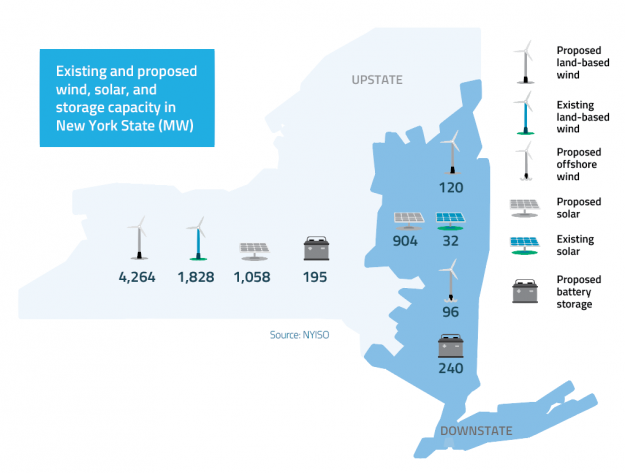
New York Democratic Governor Andrew Cuomo on Jan. 17 unveiled the most aggressive plan of any state to eliminate global warming emissions and achieve 100 percent carbon-free power in just a couple of decades. Cuomo's legislative package, dubbed the "Green New Deal," is designed to put the state on a path to wipe out its carbon footprint by 2040 by slashing the heat-trapping emissions not just in the power fleet, but across the entire economy including the transportation and agriculture sectors and through building efficiency.

Wind Sparks Race for Leadership Among Eastern U.S. States

EnerKnol’s Visual Primer – Promise of Offshore Wind Sparks Race for Leadership Among Eastern U.S. States

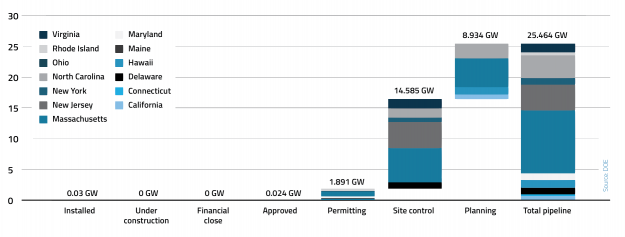
Eastern U.S. states are jockeying to claim the mantle of leadership of the nation's still-budding offshore wind industry, eyeing major infrastructure upgrades and workforce training to meet procurement targets and capture the billions-of-dollars in investments promised by the clean, abundant and largely untapped coastal wind resources.

Grid Operators Set to Expand Opportunities for Energy Storage in Wholesale Markets

EnerKnol’s Visual Primer – Grid Operators Set to Expand Opportunities for Energy Storage in Wholesale Markets

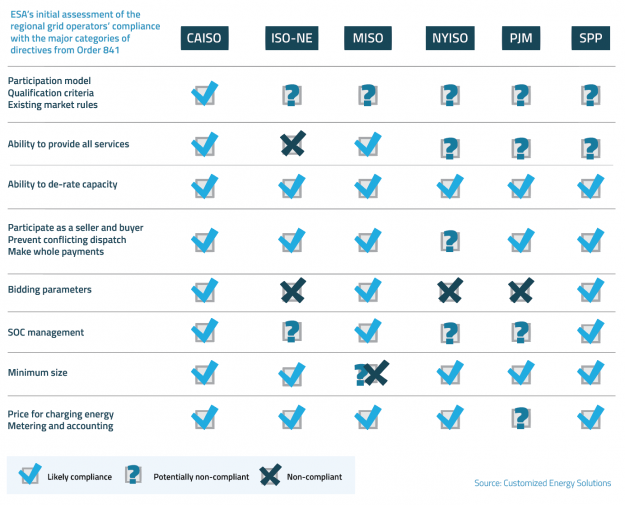
Regional grid operators have filed proposals to comply with the first federal directive for broader participation of the technology in regional wholesale power markets. The California system operator is already compliant with majority of the requirements, with a market design that FERC has cited as an example for integrating storage resources. New York grid operator’s proposal poses limitations, such as lack of dual participation in wholesale and retail markets, amidst the state’s efforts to advance an ambitious 3-gigawatt goal for storage.

Virginia's Renewable Capacity to Triple in Latest Shift from Fossil Fuels

EnerKnol’s Visual Primer – Virginia’s Renewable Capacity to Triple in Latest Shift from Fossil Fuels

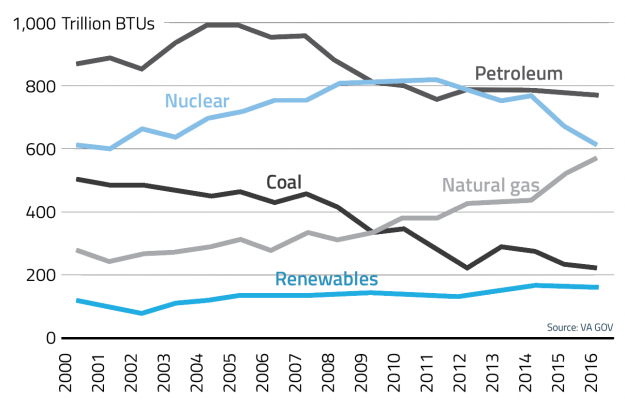
Virginia is striding towards a clean energy future by paving the way for faster and larger deployment of renewable energy and energy efficiency. The Grid Transformation and Security Act of 2018 declares that 5,000 megawatts of solar and wind energy are in the public interest, making it easier for these projects get regulatory approval. The state’s 10-year energy plan emphasizes grid modernization and innovative technologies, setting goals for renewable energy generation, energy efficiency, and electric vehicles.

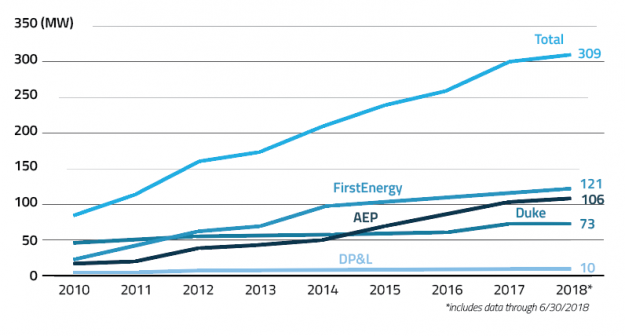
Time-Based Rates Pick Up Pace as Grid Modernization Efforts Rise

EnerKnol’s Visual Primer – Time-Based Rates Pick Up Pace as Grid Modernization Efforts Rise

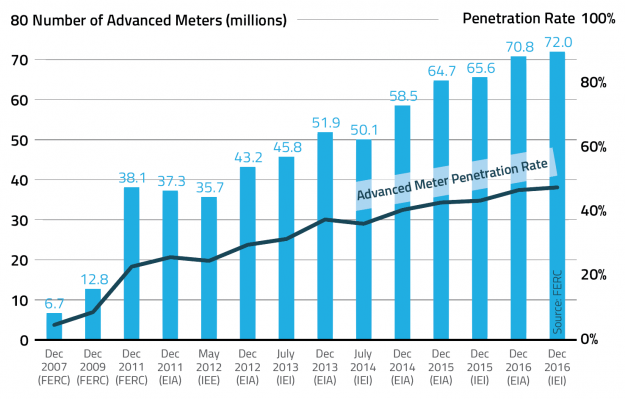
The move towards time-varying rates is on the rise as electric utilities seek rate designs that better align with the changing energy landscape. Utilities are increasingly experimenting with time-of-use rates (TOU) – which price electricity higher when peak demand drives up system costs –as customer-sited generation eats into revenues needed to maintain the grid and amid a widening disparity between average and peak demand.

Utilities Seek Demand Charges as States Tussle with Net Metering Policies

EnerKnol’s Visual Primer – Utilities Seek Demand Charges as States Tussle with Net Metering Policies

The proliferation of customer-sited generation has prompted utilities to push for demand charges – a fee based on a customer’s peak consumption during a billing period – to recover fixed costs and address cross-subsidies. Utilities face the conundrum of losing revenue as customers installing distributed generation, such as rooftop solar, rely less on the utility for power needs while also shifting costs to other customers. Solar advocates argue that these fees impact customers’ ability to control their bill, potentially wiping out the incentive to install solar.

Rapid EV Growth Prompts Focus on Rate Design for Charging Services

EnerKnol’s Visual Primer – Rapid EV Growth Prompts Focus on Rate Design for Charging Services

The continued growth in electric vehicle (EV) adoption has led state regulators to pay more attention to business models and rate designs that facilitate wider availability of charging infrastructure. Most recently, Pennsylvania took a big step towards innovative and dynamic pricing by clarifying that third party EV charging is not considered resale or redistribution of power. California is considering a utility proposal to replace demand charges with new subscription pricing, allowing customers to select the required amount of power for their stations. New York is analyzing the characteristics of charging systems to foster EV participation as a distributed resource. Iowa is examining business models for EV charging, while Illinois is exploring rate structures and charging practices to guide efficient integration of electric vehicles.

Ohio Seeks to Modernize Grid via Electric Vehicles, Non-wires Alternatives, and Data Accessibility

EnerKnol’s Visual Primer – Ohio Seeks to Modernize Grid via Electric Vehicles, Non-wires Alternatives, and Data Accessibility

The Public Utilities Commission of Ohio established the PowerForward Collaborative, a utility workgroup charged with monitoring the marketplace to propel the state along its roadmap of grid modernization. The collaborative will examine issues related to electric vehicles and deployment of non-wires alternatives. In addition, its two workgroups will consider integrated distribution planning and data access issues associated with grid modernization. The PowerForward roadmap aims to create a regulatory paradigm that will allow innovation to reach all customers. The plan envisions the modern grid as an open-access platform that helps applications interface seamlessly as they evolve and a marketplace that advances organically, allowing customers to buy innovative products and services from entities of their choice.

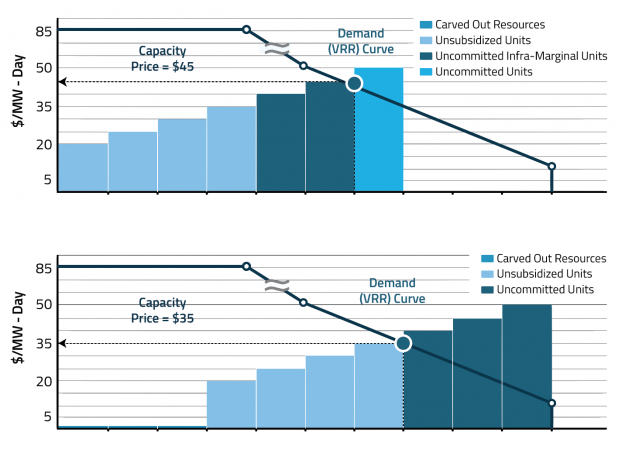
Mid Atlantic Power Market Gears Up for Reforms as Debate Over Subsidized Resources Intensifies

EnerKnol’s Visual Primer – Mid Atlantic Power Market Gears Up for Reforms as Debate Over Subsidized Resources Intensifies

PJM Interconnection LLC is at the crossroads for capacity market reforms as participation of sources receiving out-of-market state revenues continues to grow. Significant debate around the issue of price suppression from subsidized resources culminated in the Federal Energy Regulatory Commission's invalidation of PJM’s capacity market rules. Several states have opposed the premise arguing that the threat from subsidies is overstated and sweeping changes would unlawfully intrude on state energy policies. Following the FERC directive which rejected PJM’s changes proposed in April, the grid operator on Oct. 2 unveiled a plan which would address price distortion while advancing state policy interests.

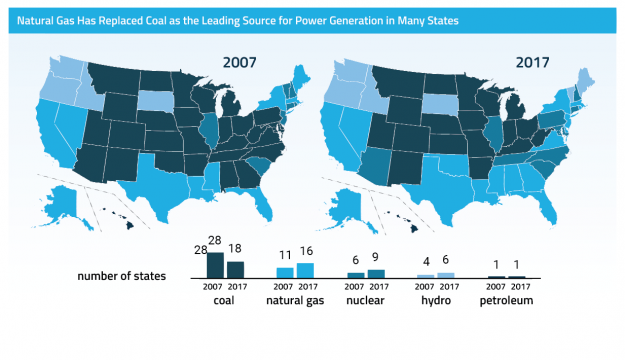
U.S. Natural Gas is Reshaping Global Markets and Domestic Power Generation

EnerKnol’s Visual Primer – U.S. Natural Gas is Reshaping Global Markets and Domestic Power Generation

The U.S. shale revolution which kicked off a decade ago ushered in a new era for natural gas which has reshaped the power grid overtaking coal as the dominant source of electricity generation and established a thriving market for liquefied natural gas exports. The U.S. has remained the world's top producer of natural gas since 2009, and natural gas accounts for a third of all U.S. electricity generation. Last year, the U.S. became a net natural gas exporter for the first time in almost 60 years. The trend is expected to continue with growing production, increasing export capacity, and expanding gas infrastructure.