Recent policy and regulatory measures concerning competitive retail electricity markets are increasingly focused on enhancing oversight and transparency. New state actions strive to strengthen these markets with improved regulatory oversight and consumer protections to prevent unsavory practices by competitive suppliers.
A growing number of utility regulators across U.S. states are reviewing natural gas planning strategies to consider the effects of decarbonization and electrification policies on the gas system. Amid shifting policy and changing market conditions, regulators are exploring new tools to evaluate gas infrastructure investments.
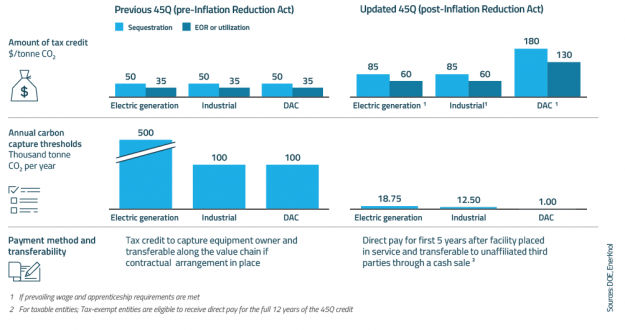
The growing interest in carbon capture and storage (CCS) projects to address atmospheric emissions has drawn attention to the crucial role of pipelines in transporting carbon dioxide (CO2) to sequestration sites, highlighting concerns over safety issues. CCS involves the capture of CO2 from the emissions of industrial processes before they are released into the atmosphere for storage in subsurface geological formations.
The enactment of the Infrastructure Investment and Jobs Act (IIJA) in 2021, also known as the Bipartisan Infrastructure Law, and the Inflation Reduction Act (IRA) in 2022, has unleashed billions in federal funding for the
energy sector. These include infrastructure improvements, clean energy deployment, transportation electrification, grid reliability, energy efficiency, and cyber security. Regulators across U.S. states have opened dockets requesting reports on utility actions or initiated proceedings to gather comments on utility opportunities.
Advanced nuclear solutions are garnering broad support with a slate of initiatives including funding research, developing regulatory frameworks, and planning or constructing advanced reactors. The ability of nuclear energy to produce carbon-free power is increasingly considered critical for decarbonizing the power sector to fight climate change while ensuring a reliable electricity supply.
The U.S. Senate approval of President Biden's three nominees to serve on the Federal Energy Regulatory Commission (FERC) brings the agency to its full complement of five commissioners. The move comes as FERC is considering key issues including those pertaining to electric reliability and transmission rules, liquefied natural gas export projects, natural gas pipelines, and energy markets.
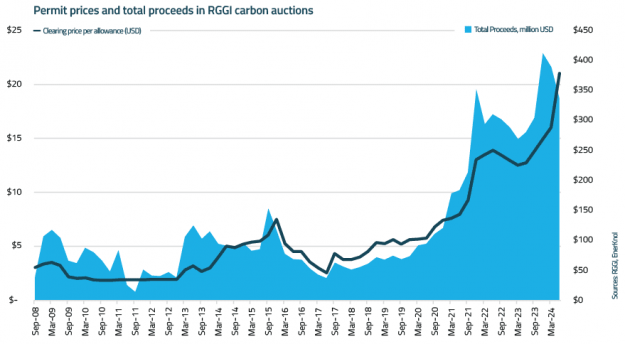
Regulatory developments are shaping the trajectory of carbon markets amid mixed outcomes in recent allowance auctions. California, Quebec, and Washington are considering a shared carbon market highlighting the importance of collaborative efforts to tackle climate change, while Pennsylvania lawmakers have proposed a state-specific cap-and-invest program.
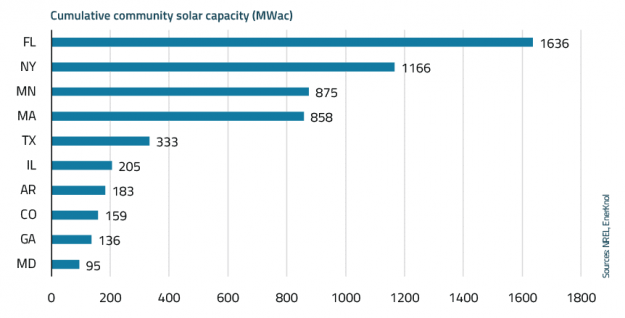
New and expanded federal tax credits, along with funding for the U.S. Environmental Protection Agency’s Solar for All residential program, have set the stage for further growth in the community solar industry. Several states have taken action to establish or expand community solar programs. Also known as shared solar, community solar allows multiple energy customers to participate in projects that are remotely located and receive credits to lower their electricity bill.
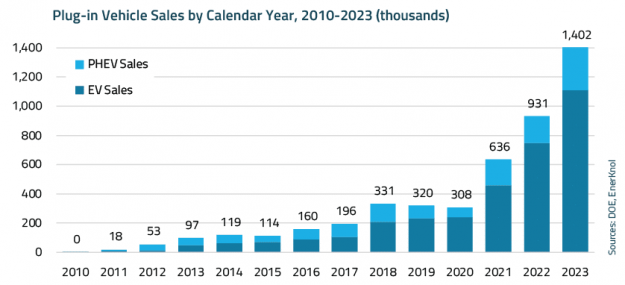
Even as transportation electrification expands to medium- and heavy-duty vehicles, states across the U.S. are examining policies to harness the benefits of vehicle-to-grid functionality. The ability of electric vehicles (EVs) to inject power from their batteries into the grid has the potential to optimize charging and mitigate grid impacts.
Regulators and lawmakers across the U.S. are increasingly exploring the possibilities of deploying virtual power plants (VPPs) as a cost-effective means to provide grid services. VPPs have garnered attention as fossil fuel-fired power plants retire and renewable energy resources continue to grow amid increasing electricity demand.
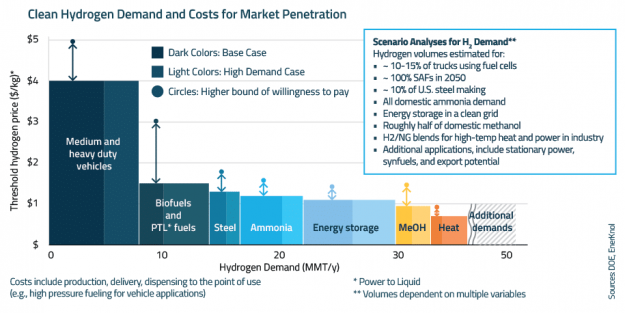
Hydrogen technology continues to garner interest as an effective tool to support the progress towards net-zero emissions and decarbonize hard-to-electrify sectors. Recent developments include establishing a multi-year program plan to guide hydrogen innovation and selecting a consortium to help accelerate commercial liftoff of the clean hydrogen economy.
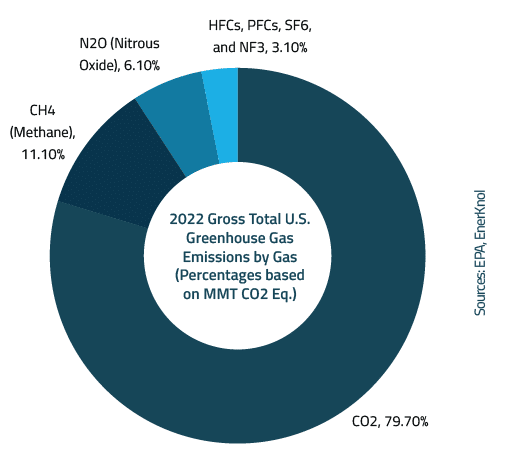
The notion that natural gas serves as a transition fuel to a low-carbon future has been challenged by a number of studies indicating that emissions of methane, the primary component of natural gas, significantly contributes to global warming. Methane is 80 times more potent than carbon dioxide in trapping heat in the atmosphere over a 20-year period.