States Partner With Utilities for Next Big Push in Electric Vehicles

EnerKnol’s Visual Primer – States Partner With Utilities for Next Big Push in Electric Vehicles

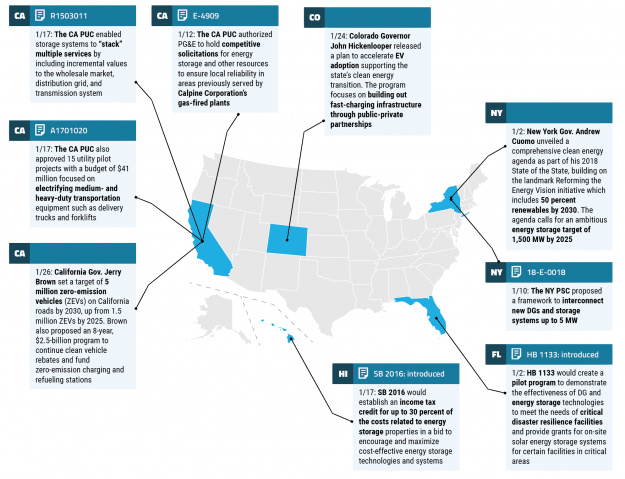
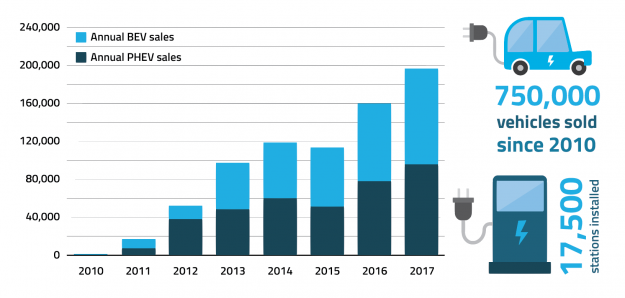
The recent surge in electric vehicles (EVs) highlights the crucial role of electric utilities in developing comprehensive charging networks, including public charging stations. As more EVs draw electricity from distribution systems, state regulators must balance reliability, cost-effectiveness, and utility planning.
Carbon Markets Thrive as States Brush Aside Trump and Take Lead on Climate

EnerKnol’s Visual Primer – Carbon Markets Thrive as States Brush Aside Trump and Take Lead on Climate

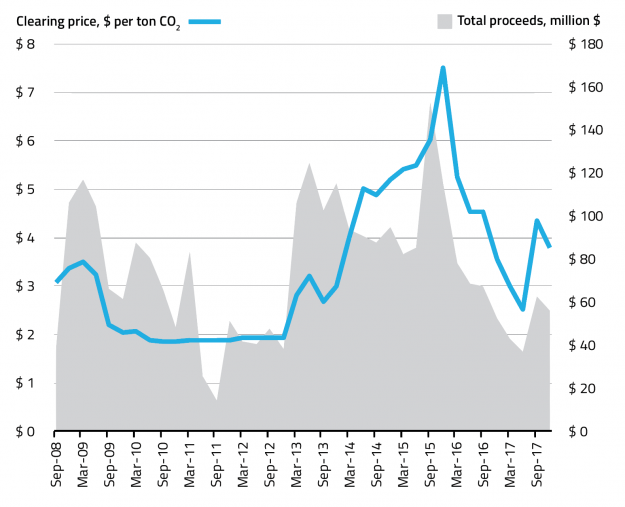
With the federal government’s U-turn on climate policy, states are taking the lead in regulating greenhouse gas emissions. Specifically, carbon trading is gaining traction as more jurisdictions are joining cap-and-trade markets.The two regional blocs in the U.S., California, Quebec, and Ontario’s cap-and-trade system and the Regional Greenhouse Gas Initiative (RGGI) involving nine Northeastern states, recently outlined their plans after 2020 ending uncertainty about their medium-term future.

Renewables Break New Records as More States Embrace Clean Distributed Energy

EnerKnol’s Visual Primer – Renewables Break New Records as More States Embrace Clean Distributed Energy

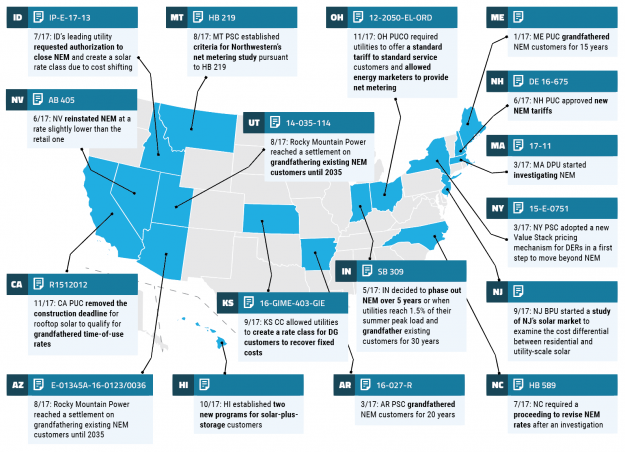
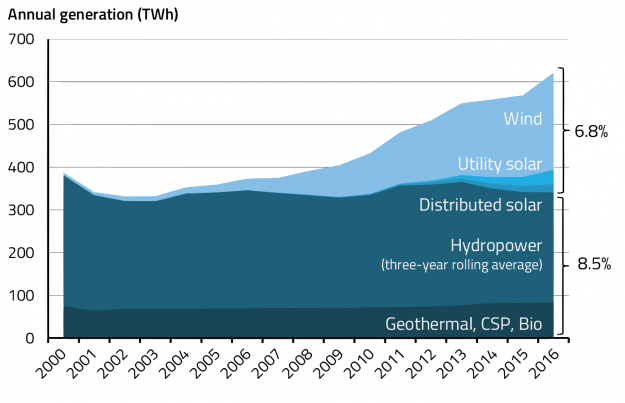
Ever more states are embracing pro-renewable policies by committing to clean energy and ramping up their clean energy targets despite federal policy uncertainty under the Trump administration. Frontrunners like California, Hawaii, New York, and Massachusetts are encouraging other states with nascent markets to follow suit.

How Trump's Regulatory Rollback for America's Energy Producers is Gaining Momentum

EnerKnol’s Visual Primer – How Trump’s Regulatory Rollback for America’s Energy Producers is Gaining Momentum

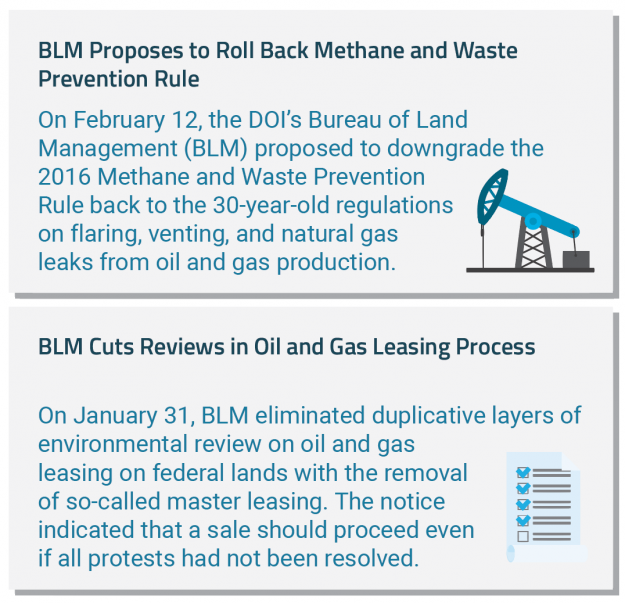
Federal agencies have reacted quickly to President Trump’s executive order, issued in March 2017, on reducing undue burdens on domestic energy production. On February 16, the Department of the Interior (DOI) announced the date for the largest sale of oil and gas leases in U.S. history. Scheduled for March 21, the sale will include all available areas in federal waters of the Gulf of Mexico. However, over the past year, the administration’s push for deregulation has prompted numerous legal challenges creating uncertainty in the industry.

Wind Industry Faces New Roadblocks as Tax Credit Deadline Looms

EnerKnol’s Visual Primer – Wind Industry Faces New Roadblocks as Tax Credit Deadline Looms

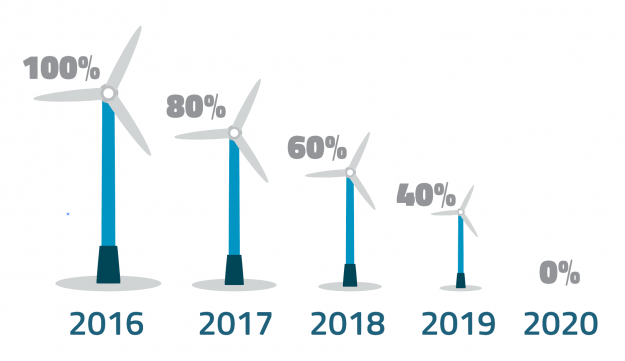
The U.S. wind energy industry has grown significantly over the past decade thanks to federal and state support, along with technology advancements improving costs and performance. The federal production tax credit (PTC) has left the greatest impact on the industry. However, the PTC expires in 2019 narrowing the window for new projects as the industry prepares for a slowdown. Other challenges, such as attempts to redefine PURPA terms and assess the impact of wind farms on tourism, along with slow growth in electric demand, make the outlook on wind less certain.

Arizona Proposes 3 GW Energy Storage Goal, Most Ambitious Nationwide

EnerKnol’s Visual Primer – Arizona Proposes 3 GW Energy Storage Goal, Most Ambitious Nationwide

Arizona's Energy Modernization Plan would set a goal 3,000 MW of energy storage by 2030, the most ambitious in the nation. The plan seeks to address peak demand challenges and provide system backup and stability through large-scale storage. Declining costs combined with a growing recognition of the multiple benefits of storage have led more states to consider storage in their energy planning and regulation. Moving forward, the future of storage will depend on creating rates and markets that capture the full value of storage and improving grid connection practices.

Eversource Adopts Performance-Based Ratemaking in Massachusetts to Meet Clean Energy Goals

EnerKnol’s Visual Primer – Eversource Adopts Performance-Based Ratemaking in Massachusetts to Meet Clean Energy Goals

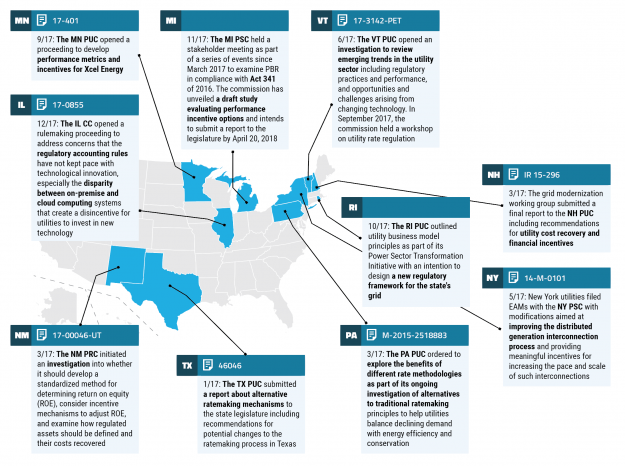
The Massachusetts Department of Public Utilities has approved a performance-based ratemaking (PBR) mechanism for Eversource Energy to balance infrastructure funding with avoiding rate case expenses and rate redesign that create uncertainty for consumers. PBRs adjust utility revenues based on their measurable performance, and they have been gaining popularity nationwide as grid technology keeps evolving.

Mid-Atlantic Grid Operator Seeks to Accommodate State Subsidies

EnerKnol’s Visual Primer – Mid-Atlantic Grid Operator Seeks to Accommodate State Subsidies

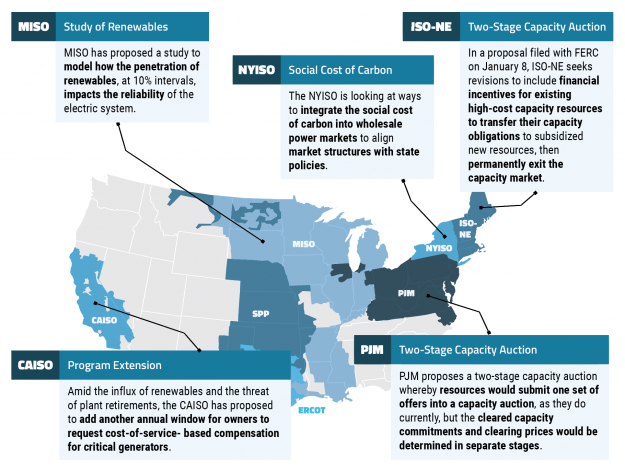
PJM Interconnection has unveiled its capacity repricing proposal aimed at accommodating subsidized resources while preserving price integrity in the capacity market. The grid operator said its proposal would meet state goals, unlike an alternative plan that would extend the minimum offer price rule to both new and existing resources (MOPR-Ex), in effect cancelling out the state subsidies. The move echoes a national trend towards reforming competitive electricity markets to ease tensions between their resource adequacy constructs and state policies.

Historic Federal Tax Cuts Bring Utility Rates Under Scrutiny

EnerKnol’s Visual Primer – Historic Federal Tax Cuts Bring Utility Rates Under Scrutiny

Dozens of states want utilities to lower rates for electricity and natural gas services following the recently enacted federal tax law which slashed the corporate income tax rate to 21 percent from 35 percent at the start of the year. Sixteen states and consumer advocates wrote to the Federal Energy Regulatory Commission requesting prompt action for the cuts to be extended to customers, while 20 states are mulling rate changes tied to the new tax law.

Five Power Industry Trends to Watch in 2018

EnerKnol’s Visual Primer – Five Power Industry Trends to Watch in 2018

Over the past five years, the power industry has evolved at a faster pace because of several simultaneous trends reflecting a broader shift from coal to natural gas and renewables. The changing fuel mix, growth in renewables, and evolution of distributed energy resources are among the key causes catalyzing this transformation. In 2018, most of these trends are expected to continue or accelerate.

New York Grid Operator Counts on Natural Gas to Replace Indian Point Nuclear Capacity

EnerKnol’s Visual Primer – New York Grid Operator Counts on Natural Gas to Replace Indian Point Nuclear Capacity

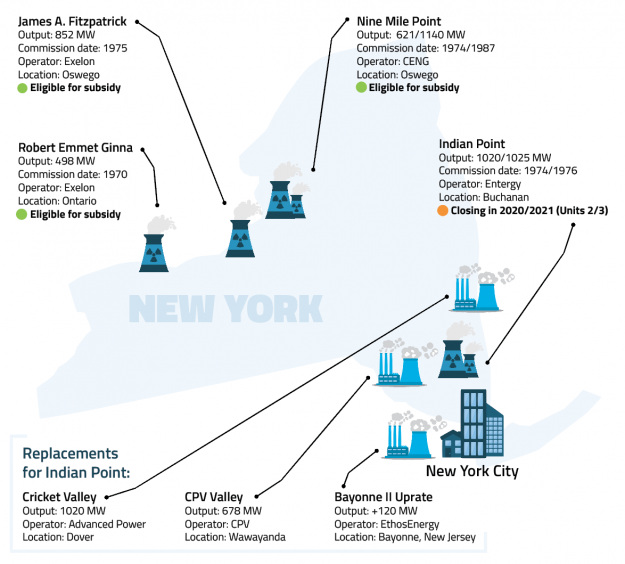
The New York Independent System Operator says the deactivation of the Indian Point nuclear plant in 2021 will not affect system reliability if approximately 1,800 MW of gas-fired generation come online as planned. Competition from cheap natural gas and Westinghouse reactor design failure have caused nuclear operators and developers to retire their plants early and cancel new projects. Amid state and federal actions to help nuclear power plants remain operational in the face of financial pressures, it remains to be seen whether advanced technologies bring a resurgence and expansion.

New York Grid Operator Unveils Plan for Energy Storage Participation in Wholesale Markets

EnerKnol’s Visual Primer – New York Grid Operator Unveils Plan for Energy Storage Participation in Wholesale Markets

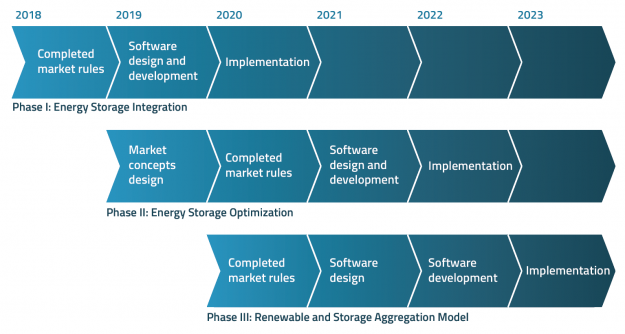
The New York Independent System Operator has unveiled a proposal for full participation of energy storage in the state's wholesale electricity markets by 2023. The grid operator envisions storage as a vital tool for managing the growing penetration of intermittent and distributed energy resources (DERs). Recently, several other states have turned to storage as a way of solving the intermittency of DERs, delivering more dynamic energy services, and addressing peak demand challenges.