Legislative Proposal Drops $3B Funding Plan for EVs in California

EnerKnol’s Visual Primer – Legislative Proposal Drops $3B Funding Plan for EVs in California

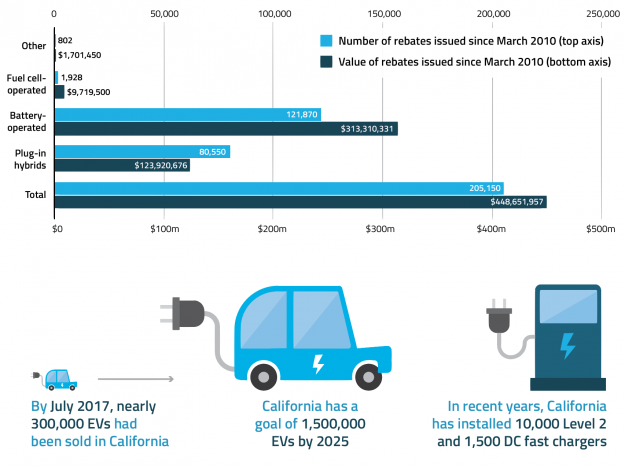
California lawmakers have removed a $3 billion, 12-year electric vehicle (EV) funding plan from a bill aimed to provide EV rebates and incentives. Instead, the amended bill would require the California Air Resources Board (CARB) to study vehicle incentive programs. California, a leader in EV adoption, is being closely watched for regulatory actions that could shape policies in other states.
Duke Energy Florida Cancels Nuclear Projects and Turns to Renewables

EnerKnol’s Visual Primer – Duke Energy Florida Cancels Nuclear Projects and Turns to Renewables

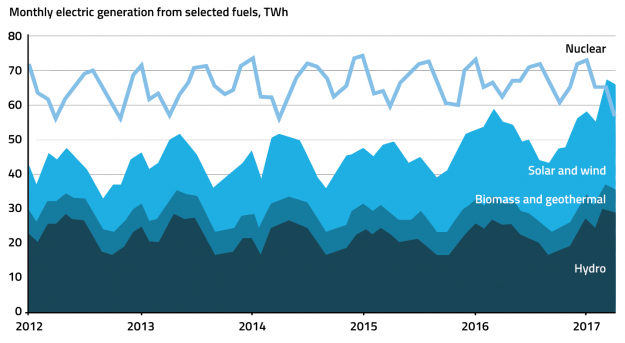
Duke Energy Florida has reached an agreement with industry and consumer groups to cancel a nuclear project and invest more in solar and grid modernization. Recent similar proposals from major utilities such as Xcel and AEP reflect growing interest in renewable energy. While the trend towards renewables has been largely attributed to state mandates and improving economics, recent developments show that utilities are increasingly perceiving them as opportunities for growth and profit.

Court Rejects FERC's Gas Pipeline Approval for Failing to Consider Emissions

EnerKnol’s Visual Primer – Court Rejects FERC’s Gas Pipeline Approval for Failing to Consider Emissions

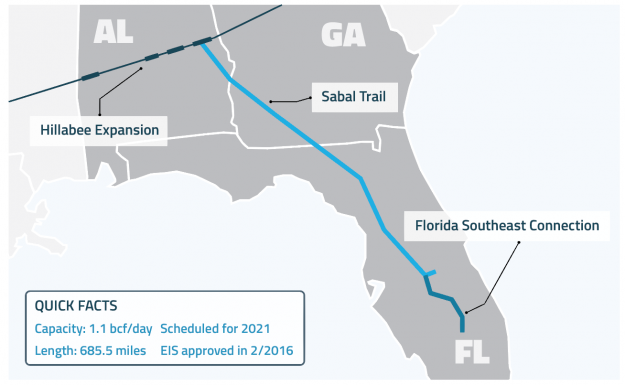
The U.S. Court of Appeals for the District of Columbia Circuit has rejected the Federal Energy Regulatory Commission’s approval of the Southeast Market Pipelines Project – a three-part interstate pipeline – over concerns of inadequate review of greenhouse gas emissions. The decision comes while the Trump administration strives to streamline infrastructure permitting, and could broaden the scope of environmental reviews required under the National Environmental Policy Act for pipeline projects and other energy infrastructure.

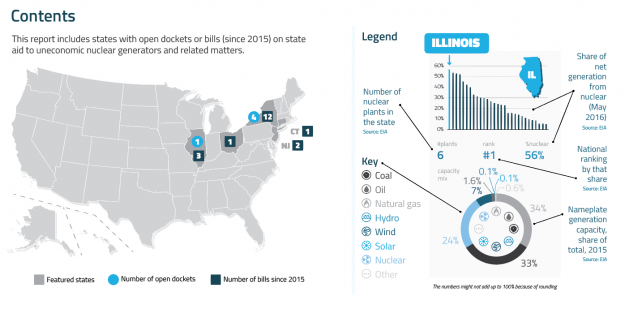
EnerKnol Nuclear Subsidy Mapper

EnerKnol Nuclear Subsidy Mapper

Cheap natural gas and the resulting wholesale electricity price declines have squeezed the revenues for nuclear generators, many of which have come under the risk of premature closure due to their inability to compete in the wholesale markets. However, multiple states have expressed support for options to keep nuclear as a low-carbon baseload electricity source in their energy portfolios.

Rejection of Grain Belt Express Highlights Dysfunction in Interstate Transmission Planning

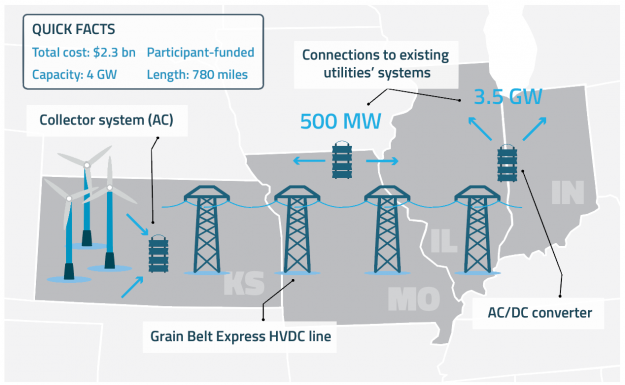
EnerKnol’s Visual Primer – Rejection of Grain Belt Express Highlights Dysfunction in Interstate Transmission Planning

The Missouri Public Service Commission has rejected the multi-state Grain Belt Express transmission project for the second time since 2015.The decision is based on a recent court ruling that all counties involved in a project must approve it before the MO PSC can do so. Four commissioners indicated they would have approved the project since it was in the public interest if not for the court decision. The move underscores the need for policies that greenlight grid modernization driven by the growing share of renewables in the generation mix.

Rhode Island Streamlines Solar Permitting in Clean Energy Bill Package

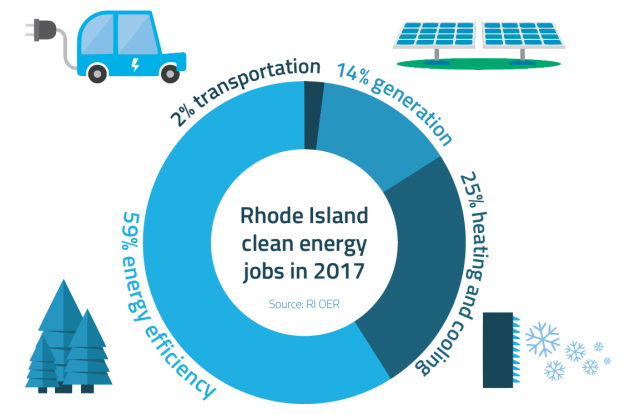
EnerKnol’s Visual Primer – Rhode Island Streamlines Solar Permitting in Clean Energy Bill Package

Rhode Island has enacted a suite of clean energy bills which includes legislation to streamline solar permitting and renewable energy interconnection. Rhode Island thus joins a small group of states that strive to standardize solar permitting, an important step toward reducing the soft costs of solar. Standardizing permitting is likely the next major opportunity for the solar industry which has benefited immensely from cheaper technology and financing.

Idaho Power Proposes to Create a Solar Rate Class to Avoid Cost-Shifting

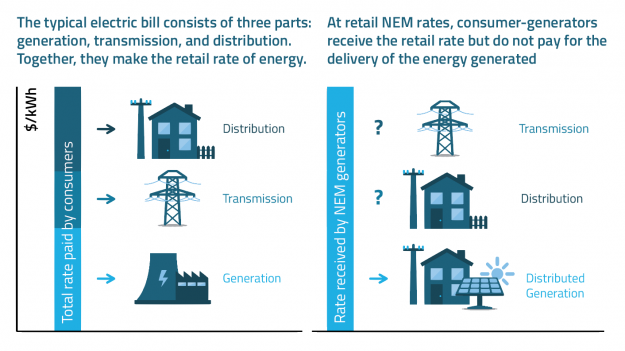
EnerKnol’s Visual Primer – Idaho Power Proposes to Create a Solar Rate Class to Avoid Cost-Shifting

Idaho Power is seeking permission to close the current net metering schedule and create two rate classes for residential and small general service customers from 2018. The move echoes a national trend towards reforming net metering policy to address cost shifts from net metered to standard customers. As rooftop solar and other forms of distributed generation spread, debates over NEM will intensify leading states to seek alternative models such as New York's Value of DER rate.

North Carolina Governor Signs Solar Bill and Executive Order Abating Impact of Wind Moratorium

EnerKnol’s Visual Primer – North Carolina Governor Signs Solar Bill and Executive Order Abating Impact of Wind Moratorium

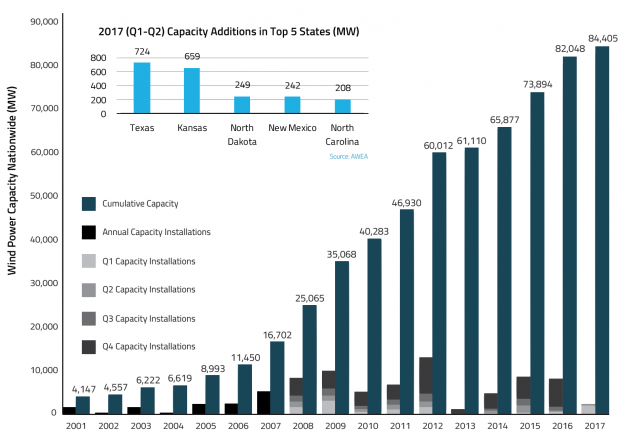
North Carolina Gov. Roy Cooper has approved legislation that will significantly expand solar, and issued an executive order mitigating the effects of a temporary wind energy moratorium included in the legislation. While the moratorium deals a setback for North Carolina which recently completed its first utility-scale wind project, Gov. Cooper’s move shows his commitment to the nascent wind industry, bringing some consolation to wind developers as projects can undergo the lengthy preliminary processes during the ban and quickly come online afterward.

Hawaii Regulators Approve HECO's 100 Percent Renewables Plan

EnerKnol’s Visual Primer – Hawaii Regulators Approve HECO’s 100 Percent Renewables Plan

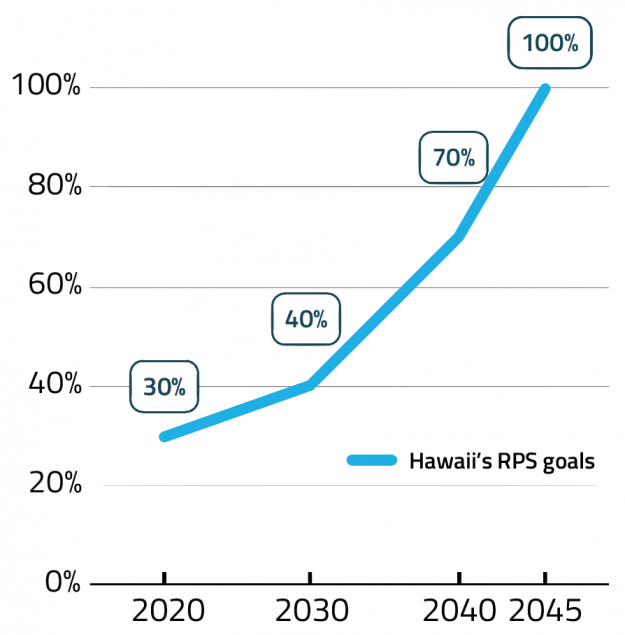
The Hawaii Public Utilities Commission has accepted the Hawaiian Electric Companies' near-term action plan towards meeting the state’s target of 100 percent renewables by 2045. California’s proposal to match Hawaii's goal has garnered more attention given the complexity of implementing such goals in a large and diverse economy. As states increase their renewable portfolio standards, utilities will have to be more proactive in charting paths of compliance. Hawaii may offer some early lessons for other states but California's experience could be more applicable.

California Legislature Approves Cap-and-Trade Extension until 2030 with Concessions

EnerKnol’s Visual Primer – California Legislature Approves Cap-and-Trade Extension until 2030 with Concessions

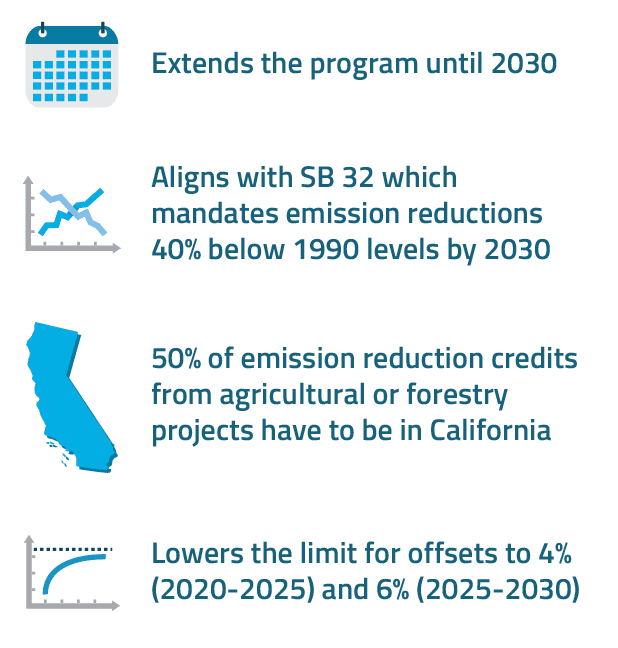
The California legislature has passed legislation extending the cap-and-trade program, the centerpiece of the state’s efforts against climate change. The extension aligns the program with the state’s 2030 emissions reduction targets. It cements California's role as a leading state in climate policy nationwide at a time when federal climate policy remains uncertain.

Halt of Kemper Coal Gasification Project Deals Blow to Carbon Capture and Storage

EnerKnol’s Visual Primer – Halt of Kemper Coal Gasification Project Deals Blow to Carbon Capture and Storage

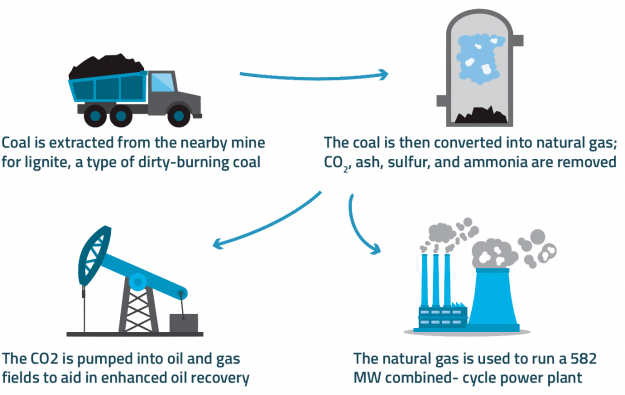
Mississippi regulators require the Kemper coal plant – hailed as the first large-scale clean coal facility – to run only on natural gas ending a seven year effort to demonstrate the viability of clean coal technology. The project's failure is a major setback for carbon capture and storage (CCS), particularly given the interest to save the coal industry under the Trump administration. The Kemper plant’s switch to natural gas is part of a broader trend caused by low-cost, low-carbon natural gas, making it difficult for expensive technologies to compete. Faced with adverse economics, the prospects of CCS will likely depend on the policy environment.

North Carolina to Revise PURPA Implementation

EnerKnol’s Visual Primer – North Carolina to Revise PURPA Implementation

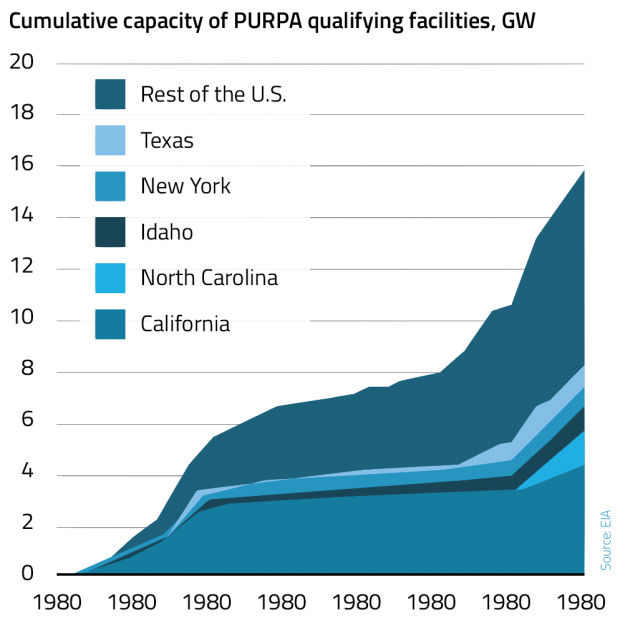
North Carolina has passed legislation that would reform implementation of PURPA, the key policy that helped the state become the second largest solar market in the U.S. PURPA has gained relevance in recent years due to the significant decline in renewable energy costs which has made solar and wind increasingly cost-competitive. However, utilities across states disagree over rates and contract lengths pertaining to projects under PURPA. The ongoing debate over PURPA will likely prompt reforms by modifying implementation terms or pushing legislation for future changes.