Clean Heat Programs Evolve to Support Emissions Reductions and Lower Energy Costs
States and regulators across the U.S. are expanding clean heat programs to lower building-sector emissions while… Read the full report …...

Energy Efficiency
States and regulators across the U.S. are expanding clean heat programs to lower building-sector emissions while… Read the full report …...
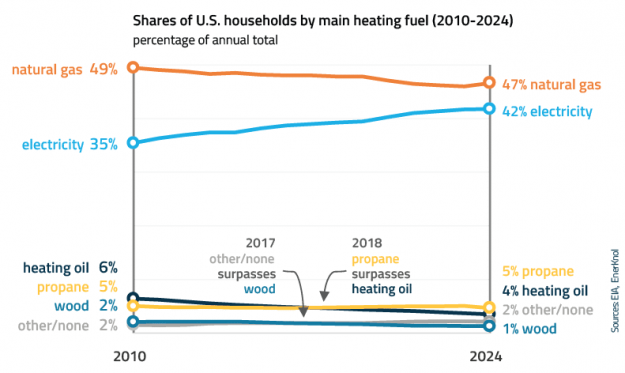
States and regulators across the U.S. are expanding clean heat programs to lower building-sector emissions while reducing long-term energy costs.
Across the U.S., states are actively expanding and modernizing their energy efficiency initiatives through new goals, multi-year plans, and investments. These actions aim to deliver measurable savings, reduce emissions, and… Read the full report …...
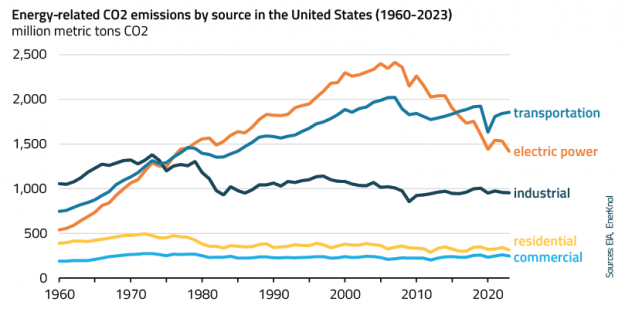
Across the U.S., states are actively expanding and modernizing their energy efficiency initiatives through new goals, multi-year plans, and investments. These actions aim to deliver measurable savings, reduce emissions, and support equitable access to benefits.
There is a growing focus on reducing the contributions of buildings to greenhouse gas emissions in order to accelerate progress toward a net-zero carbon future. Buildings account for about… Read the full report …...
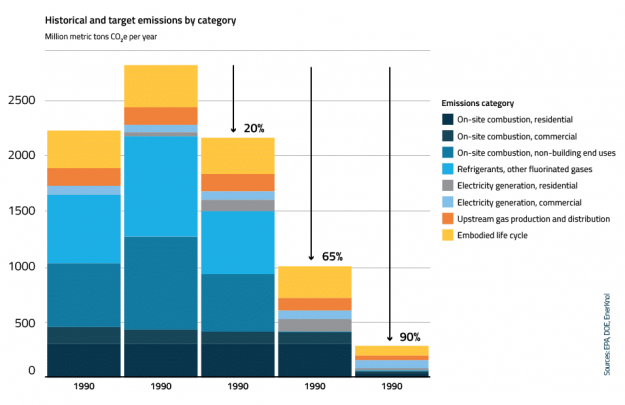
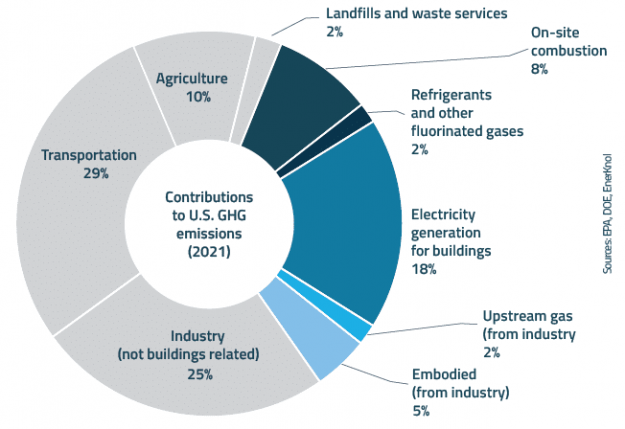
There is a growing focus on reducing the contributions of buildings to greenhouse gas emissions in order to accelerate progress toward a net-zero carbon future. Buildings account for about 40 percent of total energy use in the U.S. and 35 percent of the nation's carbon emissions, according to the U.S. Department of Energy (DOE).
Recognizing the crucial role of energy efficiency in enabling an affordable energy transition, the U.S. Department of Energy (DOE) has unveiled the first federal blueprint for decarbonizing the buildings sector including goals to reduce on-site energy use intensity … Read the full report …...
Recognizing the crucial role of energy efficiency in enabling an affordable energy transition, the U.S. Department of Energy (DOE) has unveiled the first federal blueprint for decarbonizing the buildings sector including goals to reduce on-site energy use intensity in buildings. Additionally, multiple states have pledged to accelerate the shift to zero-emission residential buildings, highlighting the growing importance of energy-efficient solutions in achieving broader energy and climate objectives.
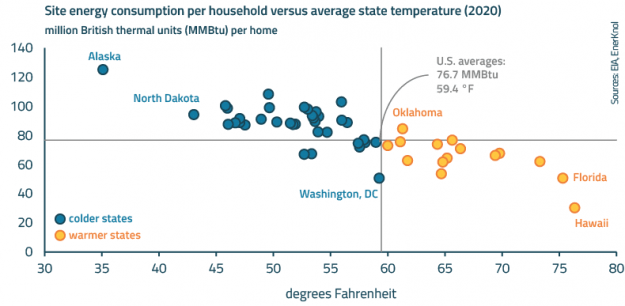
Emphasis on energy efficiency and related measures, such as building electrification, have been gaining significance as lawmakers and regulators… Read the full report …...
Emphasis on energy efficiency and related measures, such as building electrification, have been gaining significance as lawmakers and regulators across the U.S. strive to set policies that spur climate-friendly activity to progress toward a low-carbon economy.
U.S. President Joe Biden signed the Infrastructure Investment and Jobs Act into law on Nov.15, unlocking $62 billion for U.S. Energy Department initiatives, including revitalizing domestic manufacturing, expanding access to energy efficiency and clean energy, modernizing the power grid, and advancing next-generation technologies. Among the major provisions, the legislation allocates $6 billion for a Civilian…...
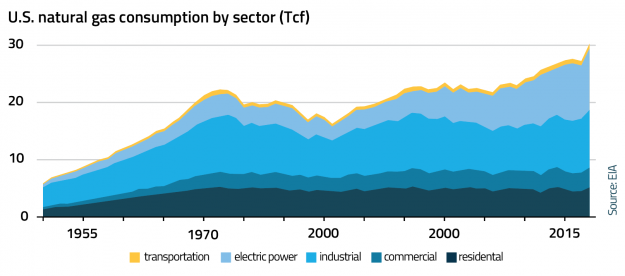
A growing number of cities across the U.S. are moving toward electrifying their building sectors and banning natural gas use. The Northern California city of Berkeley passed the first such ban, initiating a wave of similar ordinances as a means to reduce carbon emissions. The movement prompted Arizona to enact the first state law preventing local bans on natural gas, and several other states to introduce bills with similar language.