Colorado’s Wind Generation

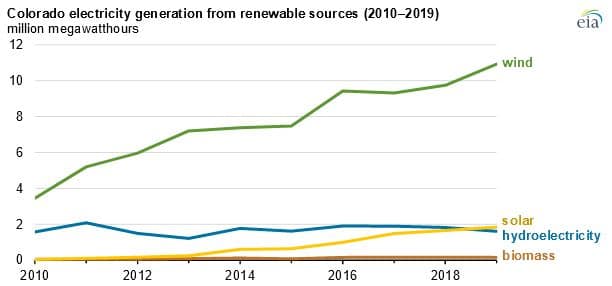
Colorado’s Wind Generation More Than Tripled Over the Last Decade: EIA

Renewables’ share of Colorado’s electricity generation grew from 10 percent to 25 percent between 2010 and 2019, according to a July 23 report from the U.S. Energy Information Administration. Wind generation more than tripled since 2010, providing nearly 20 percent of the state’s electricity generation in 2019. Renewable electricity generation increased by more than double…...
U.S. Interior Approves 465 Megawatts of Solar Projects in California

Michigan Regulator Approves Consumers Energy’s Long-Term Renewable Power Contracts

The Michigan Public Service Commission on July 23 issued six orders approving utilities’ renewable energy proposals, including eight power purchase contracts between Consumers Energy Company and the members of the Independent Power Producers Coalition of Michigan. The contracts are expected to reduce costs by nearly $2.6 million over the life of the contracts. Six of…...

New Jersey Board Joins Prominent U.S. Offshore Wind Research Organization

New York Launches Largest Renewable Energy Solicitation for Up To 4 Gigawatts of Capacity

New York Governor Andrew Cuomo, a Democrat, on July 21 announced solicitations seeking up to 4 gigawatts of renewable capacity, including 2.5 gigawatts of offshore wind and 1.5 gigawatts of land-based large-scale projects. In addition, a solicitation for $400 million in multi-port investment requires offshore wind generators to collaborate with any of the 11 prequalified…...

100-Megawatt Solar Power Contract

FERC Rejects Petition Seeking Federal Oversight of Net Metering

The Federal Energy Regulatory Commission on July 16 rejected a petition by the New England Ratepayers Association seeking federal jurisdiction over energy sales from rooftop solar and other distributed generation facilities on the customer side of the retail meter. The commission found that the association failed to identify a “specific controversy or harm” that should…...

U.S. Electric Generators Attribute 18 Percent of Capacity Delays to COVID-19 Mitigation Efforts

U.S. Electric Generators Attribute 18 Percent of Capacity Delays to COVID-19 Mitigation Efforts: EIA

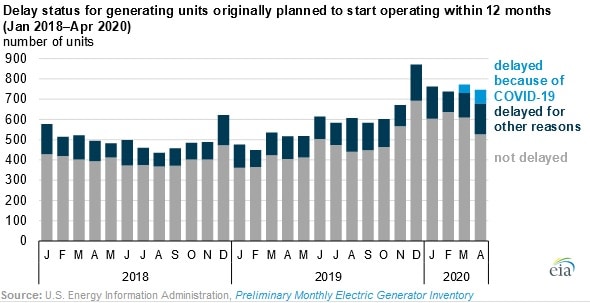
U.S. electric generators experienced more delays in commercial operation dates in March and April partly due to the COVID-19 mitigation efforts, according to a July 15 report from the U.S. Energy Information Administration. Restricted travel of specialized workers, along with supply chain disruptions and permitting challenges increased the risk of project delays. According to a…...

Arkansas Decides to Retain Retail Rate Net Metering Through 2022

New York Adopts Net Metering Successor to Lower Cost Shift to Non-Solar Customers

The New York Public Service Commission on July 16 adopted a successor to net metering for residential and small commercial customers, establishing monthly charges that will apply to customers who install solar on or after Jan. 1, 2022. The decision addresses cost shifts identified in a December 2019 whitepaper which recommends changes applicable to mass…

NY Green Bank Commitments Exceed $900 Million, Driving $2.4 Billion in Clean Energy Investments

Michigan Regulator Approves DTE Electric’s Revised Renewable Energy Plan

The Michigan Public Service Commission on July 9 approved DTE Electric Co.’s amended renewable energy portfolio. The new supply-side renewable resources approved incorporate a 225-megawatt wind farm and two 25-year solar power purchase contracts of about 128 megawatts. The generation capacity, to be added over the next two years, would enable the company to comply…...

U.S. Energy Department Grants $100 Million to Accelerate Scientific Breakthroughs

U.S. Energy Department Grants $100 Million to Accelerate Scientific Breakthroughs

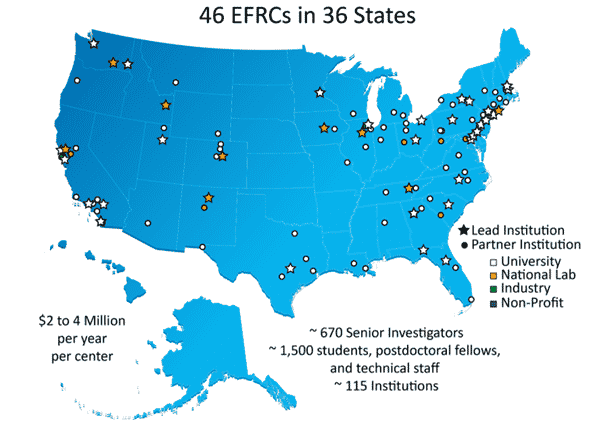
The U.S. Energy Department on July 1 announced $100 million funding for ten Energy Frontier Research Centers over four years to expedite the scientific breakthroughs needed to tackle the energy challenges of the 21st century. The move intends to strengthen the nation’s economic prosperity and energy security. The centers will bring together multidisciplinary scientific teams…...

Distributed Solar Faces New Challenge From Petition Seeking Federal Oversight of Net Metering

EnerKnol’s Visual Primer – Distributed Solar Faces New Challenge From Petition Seeking Federal Oversight of Net Metering

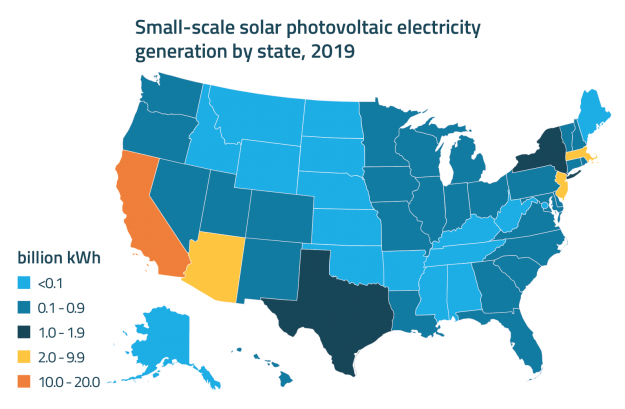
As states continue to reexamine net metering programs in the evolving distributed solar landscape, the industry faces a new challenge: a petition asking federal regulators to exercise jurisdiction over these state-administered programs that compensate behind-the-meter generation for grid-exported energy.

Nevada Opens Fourth Tier of Net Metering Program After Solar Capacity Reaches 80-Megawatt Limit

Nevada Opens Fourth Tier of Net Metering Program After Solar Capacity Reaches 80-Megawatt Limit

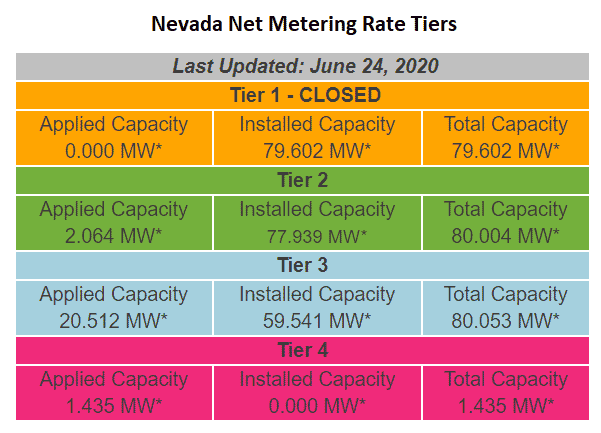
The Nevada Public Utilities Commission on June 24 announced that subscriptions for the third tier of its net metering program reached the 80-megawatt threshold established by a 2017 law, which created a four-tier structure to compensate customers for grid-exported energy. There is no capacity limit for Tier four, which is now open for applications, but…...

New York Unveils Comprehensive Strategy to Achieve 70 Percent Renewables by 2030

The New York Department of Public Service and the state’s Energy Research and Development Authority on June 18 released a whitepaper that identifies a framework to achieve the state’s goal of sourcing 70 percent of its electricity from renewable energy by 2030 under the 2019 Climate Leadership and Community Protection Act. Achieving the goal is…...

Utility Regulators Focus on Assisting Customers, Rekindling Economy as COVID-19 Evolves

EnerKnol’s Visual Primer – Utility Regulators Focus on Assisting Customers, Rekindling Economy as COVID-19 Evolves

As the pandemic continues to unfold, utility regulators across the U.S. are focusing on the core issues of providing relief for the hardest-hit customers and reviving the economy with the help of utility initiatives. To date, several states have extended disconnection moratoriums and implemented customer relief programs, while others are examining how additional spending by the utilities could provide new jobs while minimizing customer bill impacts in the future.