Utilities Seek to Weaken Renewable Energy Contracts as DIY Projects Proliferate

EnerKnol’s Visual Primer – Utilities Seek to Weaken Renewable Energy Contracts as DIY Projects Proliferate

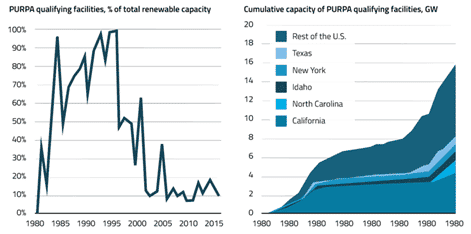
The dramatic fall in renewables costs have enticed several utilities to look at large-scale investments and also attracted a large number of independent developers seeking to qualify their projects for must-buy obligations under the Public Utility Regulatory Policies Act of 1978 (PURPA). Utilities have complained about having to overpay qualifying facilities and buy electricity even when they don’t need it. The must-buy requirements are also interfering with the utilities’ own plans of developing renewable plants, intensifying the pushback against PURPA.
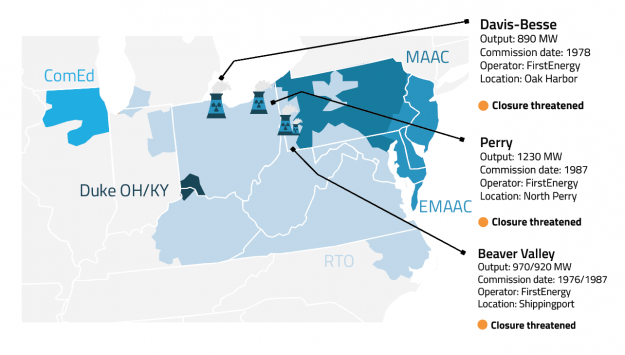
Prices Rebound in America's Largest Power Supply Auction as Nukes Fail to Clear

EnerKnol’s Visual Primer – Prices Rebound in America’s Largest Power Supply Auction as Nukes Fail to Clear

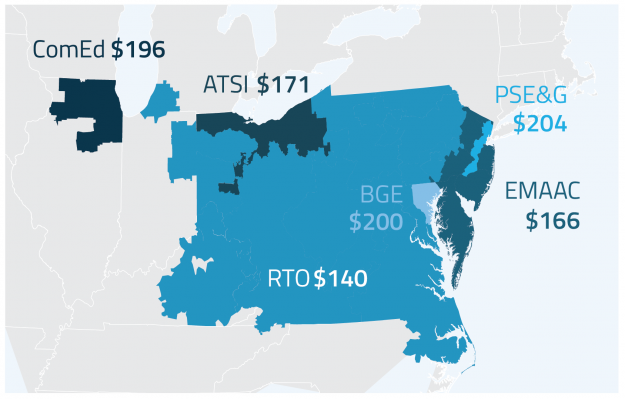
PJM Interconnection LLC’s annual capacity auction saw clearing prices ramp up 83 percent from a year ago to $140/megawatt-day, rebounding after a sustained fall for two consecutive auctions. Renewables and demand response did surprisingly well especially because they are deemed seasonal assets with limited ability to meet the new stringent performance standards that require year-round capacity. Despite the high prices, the amount of nuclear generation that cleared the auction fell by over a quarter from last year.

States Seeking Shift to Renewables Unable to Shake Reliance on Gas Power

EnerKnol’s Visual Primer – States Seeking Shift to Renewables Unable to Shake Reliance on Gas Power

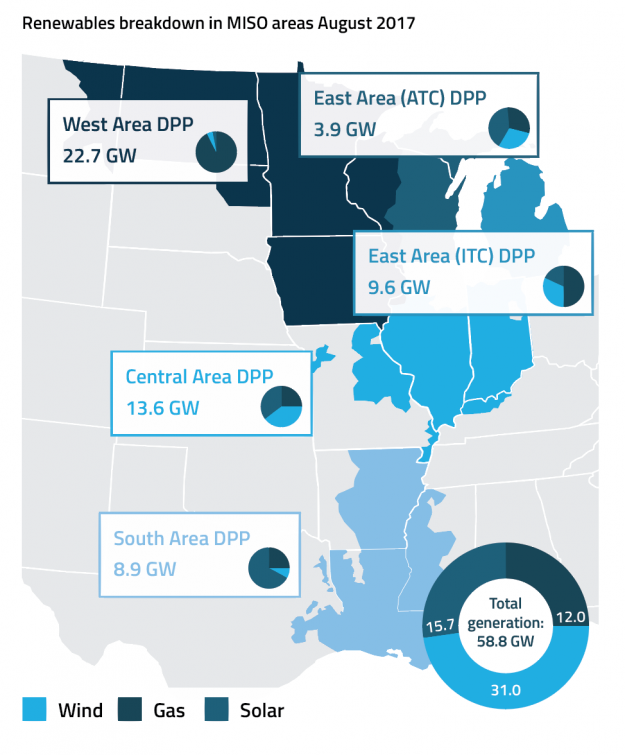
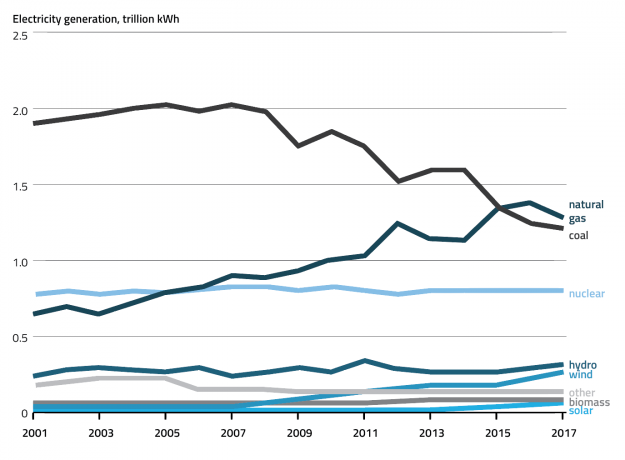
The low price of natural gas makes it the go-to choice for ensuring reliability in several states where renewables have captured a large market share. On the other hand, the dominance of natural gas in the power sector is facing a backlash in states that are aggressively pushing for renewable resources. In both cases, however, regulators have become increasingly more concerned about grid reliability as the share of natural gas in the fuel mix continues to grow.

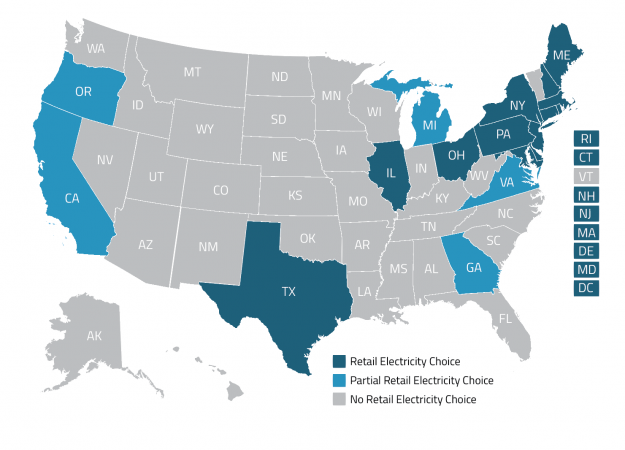
Retail Choice Under Scrutiny Amid Growing Consumer Complaints

EnerKnol’s Visual Primer – Retail Choice Under Scrutiny Amid Growing Consumer Complaints

After years of retail choice, some states have begun to examine whether customers are better off with competitive retailers or on the default service tariff. As retail choice comes under greater scrutiny, regulators will focus on stringent market entry rules and market monitoring that can help avoid deceptive tactics.

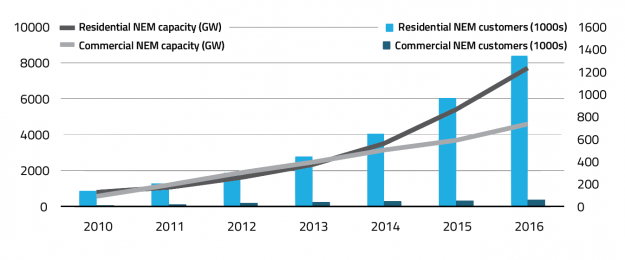
Net Metering in Retreat as Utilities Seek to Protect Their Interests

EnerKnol’s Visual Primer – Net Metering in Retreat as Utilities Seek to Protect Their Interests

The net metering policy landscape is reacting to growing customer-sited generation. Facing pressure from utilities about grid use charges to net metering customers, policymakers have started actively seeking alternatives to the policy. Responses vary from new demand charges in Massachusetts and ending net metering in Michigan to New York’s new Value Stack pricing mechanism for distributed generation.

Southern's Vogtle Reactor Review, Williams' $1B NYC Gas Line, Avangrid's Vineyard Wind Farm

EnerKnol’s Visual Primer – New Jersey Poised to Become the Next California Under Energy Policy Revamp

New Jersey lawmakers have passed a suite of sweeping measures to propel the state’s clean energy agenda under Democratic Governor Phil Murphy's administration. The swift turn of events marks a significant shift from his Republican predecessor Chris Christie who withdrew the state from the carbon market and shunned offshore wind.

Constrained Supply and Increased Demand Push Prices up to $10/MW-day in MISO Auction

EnerKnol’s Visual Primer – Constrained Supply and Increased Demand Push Prices up to $10/MW-day in MISO Auction

Nine out of the ten resource zones cleared at $10/MW-day in the Midcontinent Independent System Operator’s sixth annual Planning Resource Auction, up from last year's clearing price of 1.50/MW-day. MISO said that increased demand and lower supply were largely responsible for the higher prices and expects adequate capacity for the planning year starting June 1.

States Advance New Penalties for Disrupting Pipeline Operations

EnerKnol’s Visual Primer – States Advance New Penalties for Disrupting Pipeline Operations

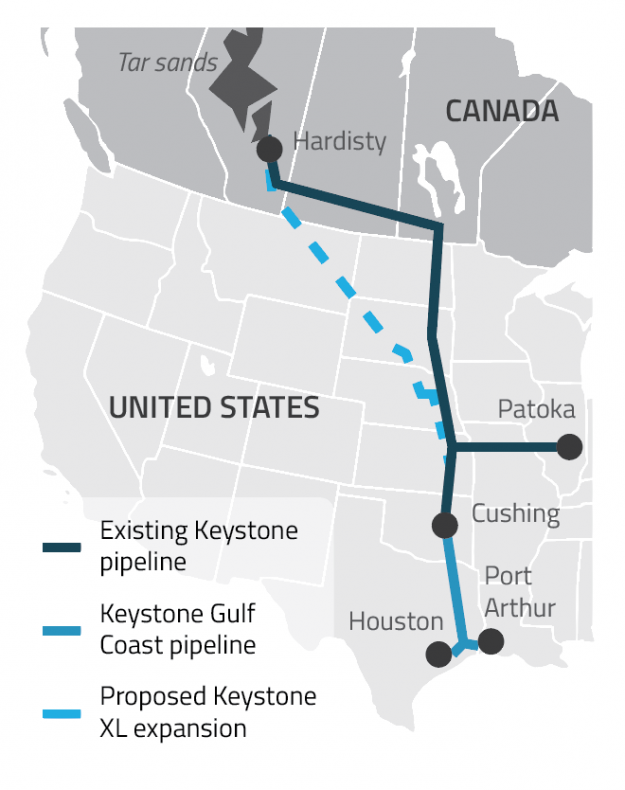
To overcome protests against oil and gas pipelines, at least 8 states are advancing bills creating new penalties for disrupting pipeline operations. Despite the Trump administration's moves to support pipeline developers, the opposition - consisting of environmentalists, landowners, and a few state governments - has dramatically slowed down some projects.

How Utilities are Navigating the New Distributed Energy Landscape

EnerKnol’s Visual Primer – How Utilities are Navigating the New Distributed Energy Landscape

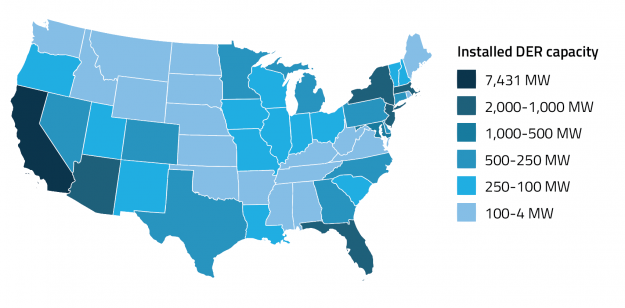
The penetration of distributed energy resources (DER) has led states and utilities to reconsider their strategies and planning processes. Advanced metering infrastructure and automation allow utilities to capture the full value of DERs and explore new uses of emerging technologies. Because of the rapid influx of DERs utilities must stay proactive to avoid issues on the distribution grid and capture new growth opportunities.

Demand Response Evolves from Shifting Load to Managing Expansion of Renewables

EnerKnol’s Visual Primer – Demand Response Evolves from Shifting Load to Managing Expansion of Renewables

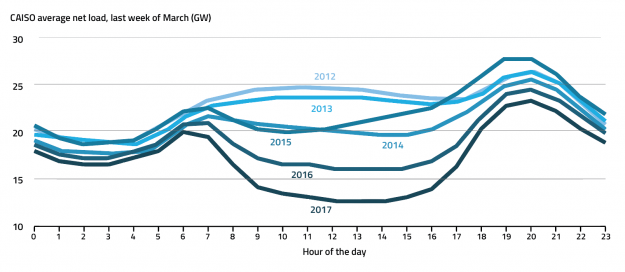
Demand response (DR) is gaining relevance as a vital grid balancing tool amid the rapid surge in intermittent generation resources. The next generation DR will provide more localized responses to areas of stress to influence energy usage patterns. The digitally enabled grid, advanced metering infrastructure, and automated strategies coupled with dynamic pricing will support the DR market.

Trump Explores New Avenues to Prop Up Coal and Nuclear

EnerKnol’s Visual Primer – Trump Explores New Avenues to Prop Up Coal and Nuclear

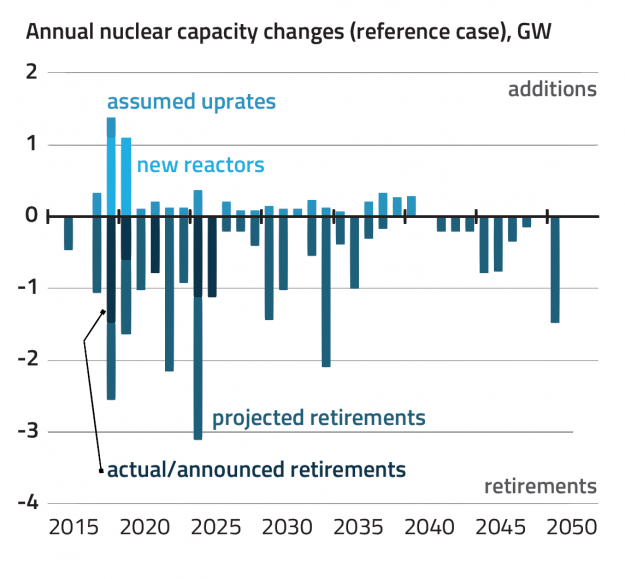
The Trump administration is seeking new avenues to revive coal and nuclear, such as research to diversify coal use and design new reactors. Although new technologies may slow the downturn of coal and nuclear, hopes of a renaissance remain dim as the industries lose out to cheaper, cleaner, and more efficient resources.