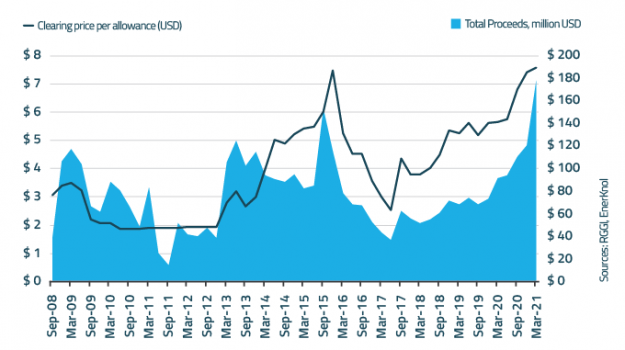
As the Biden administration takes action to address climate change through federal policies including rejoining the Paris Agreement and increasing the social cost of carbon, states continue to strengthen existing carbon pricing programs and advance new initiatives. State-level activity on emission-trading programs and carbon pricing is expected to remain on the rise as more jurisdictions embrace policy goals to transition to a lower-carbon power system and economy.
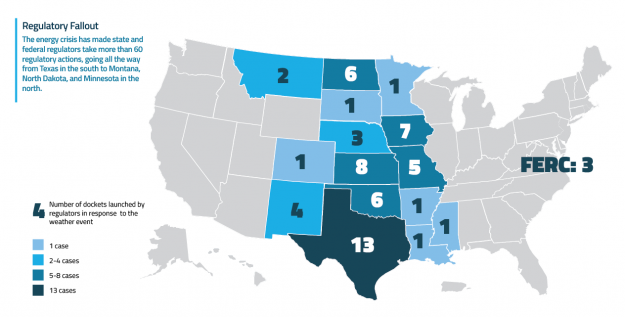
The fallout from severe arctic weather during February has prompted regulators from Texas to Montana to examine utility infrastructure, preparedness and response, and impacts to customers. Texas, which experienced the worst power outages resulting from Winter Storm Uri, has issued multiple orders and initiated investigations to address the impacts of the grid event. Following announcements of an inquiry into the grid event and the possibility of market violations, the Federal Energy Regulatory Commission (FERC) is now set to examine the impacts of climate change and extreme weather events on electric system reliability. Regulators across several U.S. states are investigating the after-effects of the storm to mitigate bill impacts to customers while exploring cost-recovery for utilities which faced extraordinary expenses as natural gas prices soared to unprecedented levels.
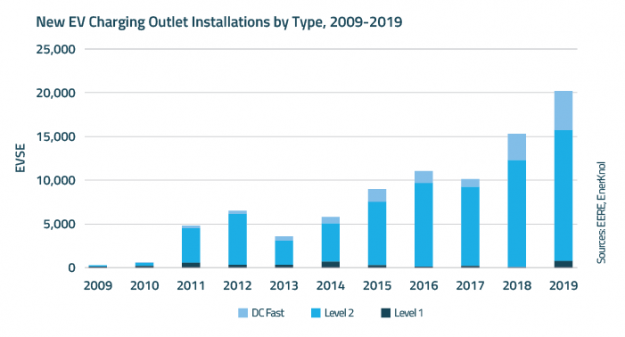
Transportation electrification is gaining momentum across the U.S. as states and utilities continue to implement measures to boost electric vehicle (EV) adoption and expand charging infrastructure. Recent actions range from California’s vehicle-grid integration strategy to Pennsylvania’s rulemaking proposal for a light-duty EV requirement, and a utility-coalition plan for a seamless charging network.
The Missouri Public Service Commission on Feb. 25 opened an investigation into the state’s electric and natural gas utilities’ preparedness and response to the mid-February winter storm that resulted in rolling blackouts and natural gas price spikes. The commission’s Regulatory Analysis and Customer Experience Departments, in collaboration with agencies within its Industry Analysis and Financial…...
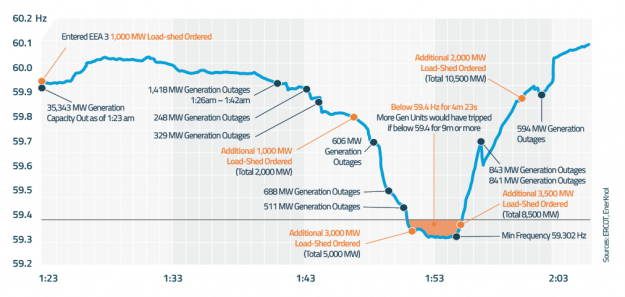
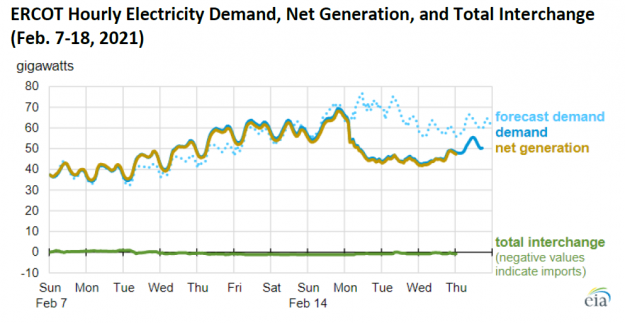
The widespread power outages across Texas during the extreme winter weather conditions brought about by a polar vortex in mid-February has raised questions about the reliability of the power grid operated by the Electric Reliability Council of Texas Inc. (ERCOT). The grid operator, which manages about 90 percent of the state’s electric load, reported that 48.6 percent of generation was forced out at the highest point due to the winter storm.
The Texas Public Utilities Commission on Feb. 24 launched an investigation into retail electric suppliers’ business practices following complaints of skyrocketing bills for plans with pricing indexed to the wholesale rate in the aftermath of sweeping power outages caused by extreme winter weather conditions. Although indexed plans are allowed under law, an influx of complaints…...
EnerKnol is committed to providing real-time transparency of the fragmented and highly technical landscape of energy regulation. With this as our guiding principle we are examining our database of over 35,000,000 regulatory records for insights into last week's Texas outages.
EnerKnol is committed to providing real-time transparency of the fragmented and highly technical landscape of energy regulation. With this as our guiding principle we are examining our database of over 35,000,000 regulatory records for insights into last week's Texas outages.
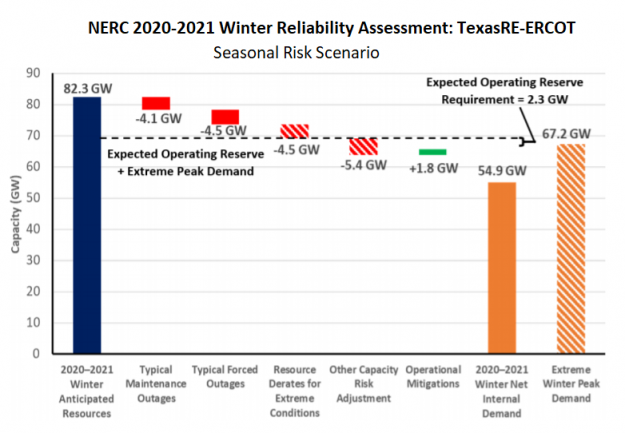
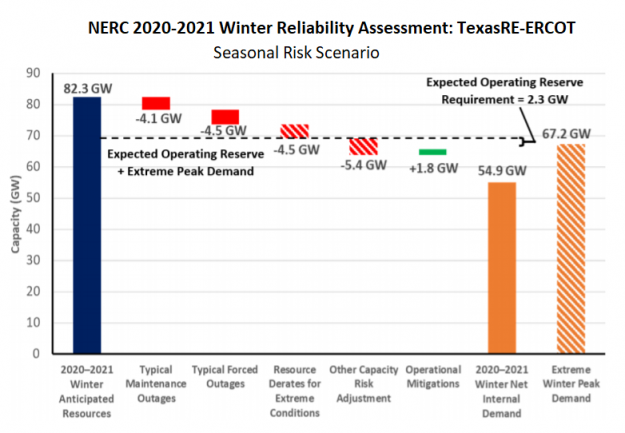
EnerKnol is committed to providing real-time transparency of the fragmented and highly technical landscape of energy regulation. With this as our guiding principle we are examining our database of over 35,000,000 regulatory records for insights into last week’s reliability failure. The Electric Reliability Council of Texas Inc.’s (ERCOT) 2020 Operations Report and Plan, filed with…...
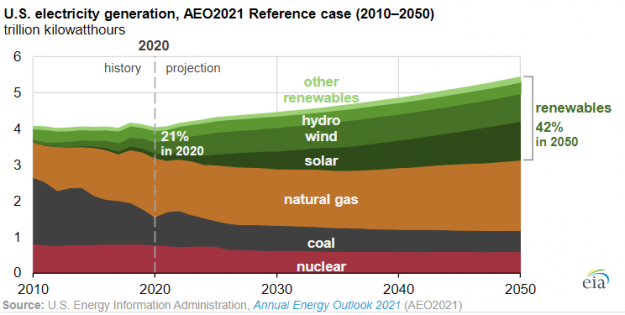
The share of renewables in the U.S. power generation mix is expected to rise from 21 percent in 2020 to 42 percent in 2050, according to the U.S. Energy Information Administration’s 2021 annual outlook. The agency projects that renewable energy, driven by wind and solar power, will surpass natural gas to become the predominant source…...
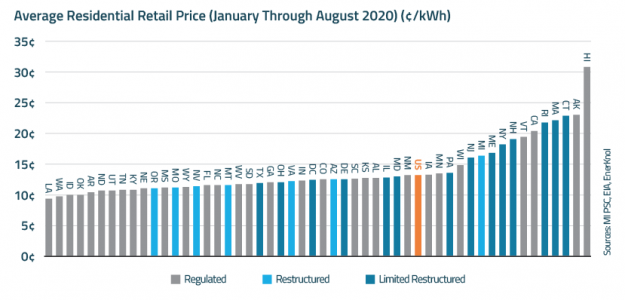
Interest in retail electric competition has been growing as innovative sources of energy production emerge, giving consumers an active role in managing their power supply. This has led to increased oversight as policymakers and regulators explore reforms to enhance customer protections while encouraging the development of a competitive market.
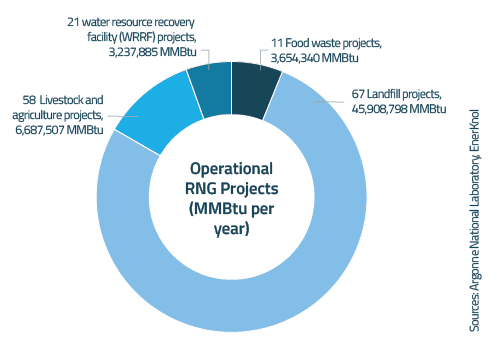
U.S. state regulators and utilities alike are exploring the use of renewable natural gas (RNG) due to its environmental benefits to displace fossil fuels and to support the transition to a low-carbon energy economy. RNG is pipeline-quality methane produced from biomass that is sourced from livestock operations, landfills, and other organic waste.