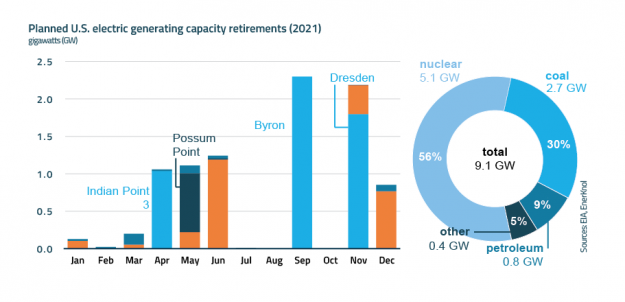
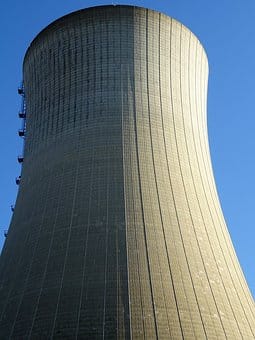
Options to sustain the existing nuclear generation fleet have resurfaced as states reevaluate their resource portfolios to expedite the transition to carbon-free energy. Policy support for the resource emerged as a means to stave off plant closures in the face of economic challenges, by rewarding its fuel diversity and zero-carbon attributes.
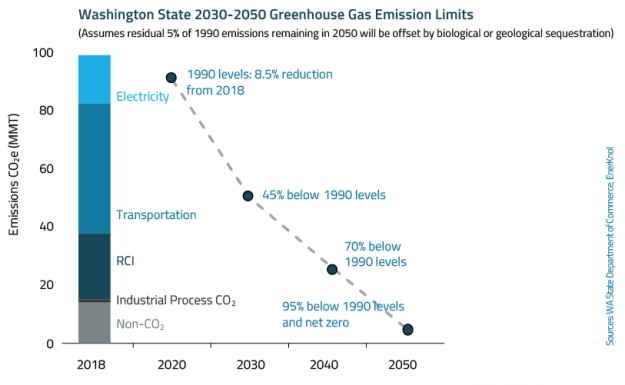
Washington is moving expeditiously to implement rules and strategies as the state seeks to achieve carbon-free electricity by 2045 and reduce emissions to net zero by 2050. The state is advancing multiple measures ranging from resource planning rules to establishing a carbon cap-and-trade program, and strengthening auto-emission standards.
Dominion Energy Inc. on April 29 announced a solicitation seeking proposals to develop up to 1,000 megawatts of utility-scale solar and onshore wind generation facilities and 100 megawatts of energy storage projects in Virginia. The company issues solicitations annually to procure the resources needed to meet the targets of the 2020 Clean Economy Act, which…...
The Washington legislature on April 24 passed legislation aimed to reduce greenhouse gas emissions by implementing an economy-wide cap-and-invest system. Upon enactment, Washington will become the second state – next to California – to have a comprehensive carbon-pricing program. The state would auction carbon allowances starting in 2023, aligned with the 2030, 2040, and 2050…...
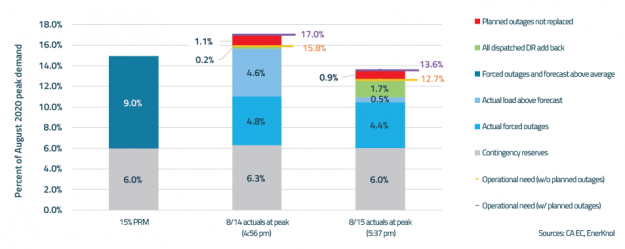
Texas state lawmakers are exploring solutions to address the issues faced during and after the mid-February winter storm event that caused widespread outages across the state. California, which faced a similar predicament due to an unprecedented heatwave in August 2020, albeit smaller in scale and severity, has advanced measures to ensure reliability this summer.
U.S. President Joe Biden on April 22 announced a new target for the U.S. to reduce economy-wide greenhouse gas emissions by 50-52 percent in 2030 relative to 2005 levels. In January, Biden took action to recommit the U.S. to the Paris Climate Agreement, as part of a series of executive actions reflecting his energy agenda…...
Utility resource planning continues to evolve as state regulators take a holistic approach to evaluate the energy delivery process and strive to provide more transparency in the planning process. Carbon reduction is becoming a key component of integrated resource plans (IRPs) amid the influx of distributed energy resources and new renewable generation under various state programs. IRPs provide an evaluation of utilities’ future electricity needs and potential means to meet the requirements.
Ongoing state initiatives to transition to a low-carbon future and new actions from the federal level are impacting natural gas utilities’ long-term planning strategies. The challenge for utilities is to adapt to the changing policy landscape, evolving in ways that contribute to decarbonization.
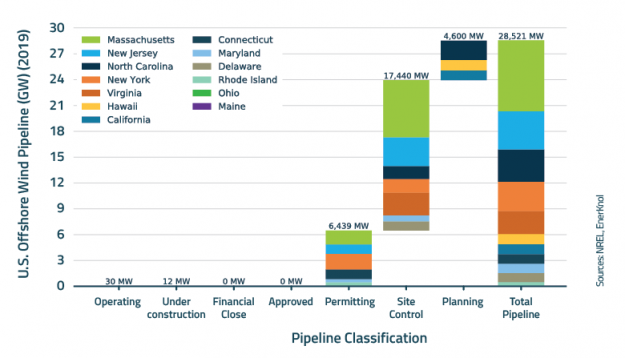
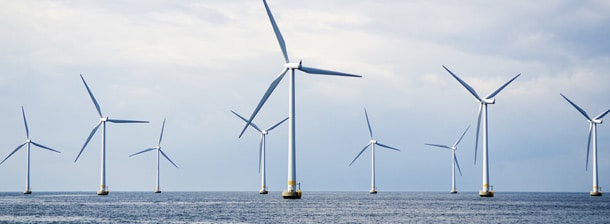
The prospects of the U.S. offshore wind industry are brightening as East Coast states and the Biden administration step up efforts to harness the potential of carbon-free electricity. The administration has established a goal to deploy 30 GW of offshore wind in the U.S. by 2030. To facilitate the achievement of the goal publicized on March 29, the administration announced several investment and funding opportunities. These include access to $3 billion in funding for offshore wind projects through the Department of Energy’s Innovative Energy Loan Guarantee Program and $230 million in funding opportunity for port authorities and other applicants for infrastructure-related projects through the Department of Transportation’s Maritime Administration.
The Biden administration has announced a series of initiatives to advance the U.S. offshore wind industry, including committing to a goal of deploying 30 gigawatts of capacity by 2030. Achieving the 2030 target is expected to lead up to the installation of 110 gigawatts of capacity by 2050. The 2030 goal, a shared commitment by…...
The Ohio legislature on March 25 passed a bill to repeal the provisions of a 2019 law that provided FirstEnergy Solutions Corp., which is now known as Energy Harbor Corp., with annual subsidies of nearly $150 million over seven years to keep its ailing nuclear plants operating. Ohio Governor Mike DeWine, a Republican, is expected…...
Recent progress towards commercializing small modular reactors (SMRs) has sparked interest in the role of advanced nuclear technologies to accomplish decarbonization goals. Twenty states and jurisdictions across the U.S. now have 100 percent clean energy mandates or goals, implying the need for a portfolio of every available carbon-free technology that can be deployed on a timeline compatible with their targets.